






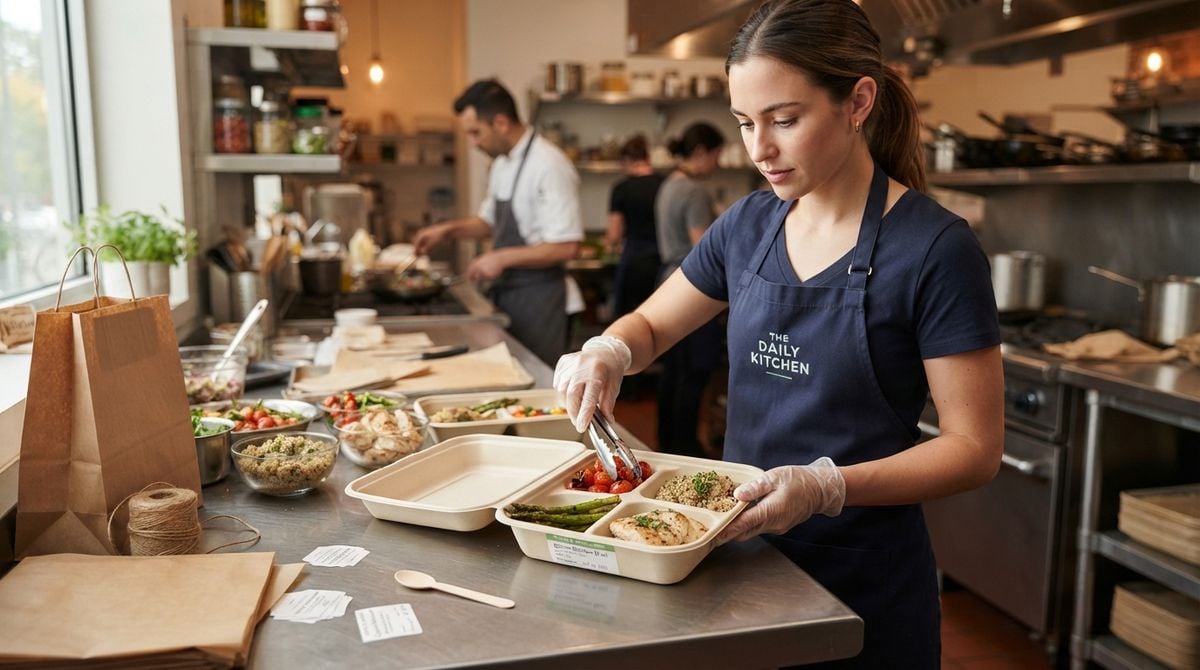
Food on a holiday feels like a pleasure rather than a line in the budget, which is why its waste is so easy to ignore. Extra pastries bought in a rush, half-eaten lunches and fresh produce that spoils before the trip ends all carry a real cost. Those costs rarely show up on any one receipt, yet they add up across a week. Seeing waste as an expense makes it easier to plan around.
The good news is that a few simple habits prevent most of it. Thinking ahead about meals, storage and portion sizes takes little effort and often improves the trip. The sections below look at where waste tends to hide and how to reduce it without spoiling the fun.
Buying More Than the Itinerary Can Eat
The most common source of waste is buying food for a meal that never happens. A market stall offers a generous bag of fruit, a bakery sells a large loaf, and the plan changes before any of it is eaten. Items bought on impulse often outlast the days planned for them. Counting the meals and snacks in the itinerary before shopping gives a clearer picture of what is needed.
A short daily note helps too. Writing down where the next two meals will be eaten makes the shopping list smaller and more accurate. Buying only what fits those meals reduces the pile of leftovers that tends to build up by the end of the trip. Readers may also want to visit newspanel.org.
Cold Storage, Packing and Spoiled Leftovers
Food that needs cooling is often the first to be lost. A hotel fridge may be small, a picnic cooler may warm up in the afternoon, and a train seat offers no protection at all. Leftovers left out too long are not worth keeping, and throwing them away is a waste of both money and effort. Choosing foods that travel well from the start avoids many of these losses.
Simple packing makes a difference. Sealed containers, an insulated bag and ice packs for the day trip keep most perishable items in good shape. Checking the storage options at accommodation before buying bulk food helps the traveler match the shopping to the space available. You can also visit Uniquely Women for more reading.
Market Shopping Habits That Stretch the Budget
Local markets are a pleasure to explore, and they can also hide costs. Buying in large quantities seems thrifty until the bag is too heavy to carry or too much to finish. Many vendors will sell smaller amounts, and asking for them can prevent a great deal of spoilage. Tasting a small sample before committing is often the most sensible first move.
- Ask for a small quantity and buy again if the item is a favorite.
- Pick produce that is ready to eat soon and plan the meal for that day.
- Carry a reusable bag so that smaller purchases stay manageable.
The right approach depends on the length of the stay and the kind of food. For a related read on this site, see Bookkeeping Time for Travelers Who Hold Digital Currency. A flexible plan leaves room for new discoveries as well.
Time Spent Searching for Meals
Waste is not the only hidden cost. A traveler who wanders for an hour looking for lunch loses time that could have been spent exploring, and the frustration can lead to rushed or regretted choices. Meals chosen in a hurry often end up half-finished, which brings the waste back in another form. Planning a few options in advance keeps the day running smoothly.
Marking a couple of reliable places on a map before leaving the hotel saves a great deal of wandering. A short list of backup options, such as a bakery that opens early, is useful when plans change. Checking opening hours in advance avoids arriving at a closed kitchen. These small preparations turn meal breaks into a pleasure instead of a scramble.
Taking Home Edible Souvenirs With Care
Many visitors want to bring food home as a gift or a reminder of the trip. Cheese, honey, preserves and baked goods can be lovely, but they need careful handling to survive the journey. Packing them badly can lead to breakage, leaks or spoilage, and the souvenir ends up in the bin. Choosing items that travel well and checking the rules for the destination helps avoid disappointment.
Packing the purchase in sealed, sturdy containers and keeping it away from heat protects it on the way home. Buying the items near the end of the trip reduces the time they spend in a bag. This small planning step keeps the memory intact. Choosing a small, sealed item often works better than a large one that must travel far.
Eating Well While Keeping Waste Low
Food waste on holiday is rarely dramatic, but it adds up across many small choices. Planning meals, buying in sensible amounts and storing food properly all cost little and save a surprising sum over a trip. Treating these habits as part of the holiday budget makes the whole experience more relaxed. A traveler who eats well and wastes little tends to enjoy the journey more.