






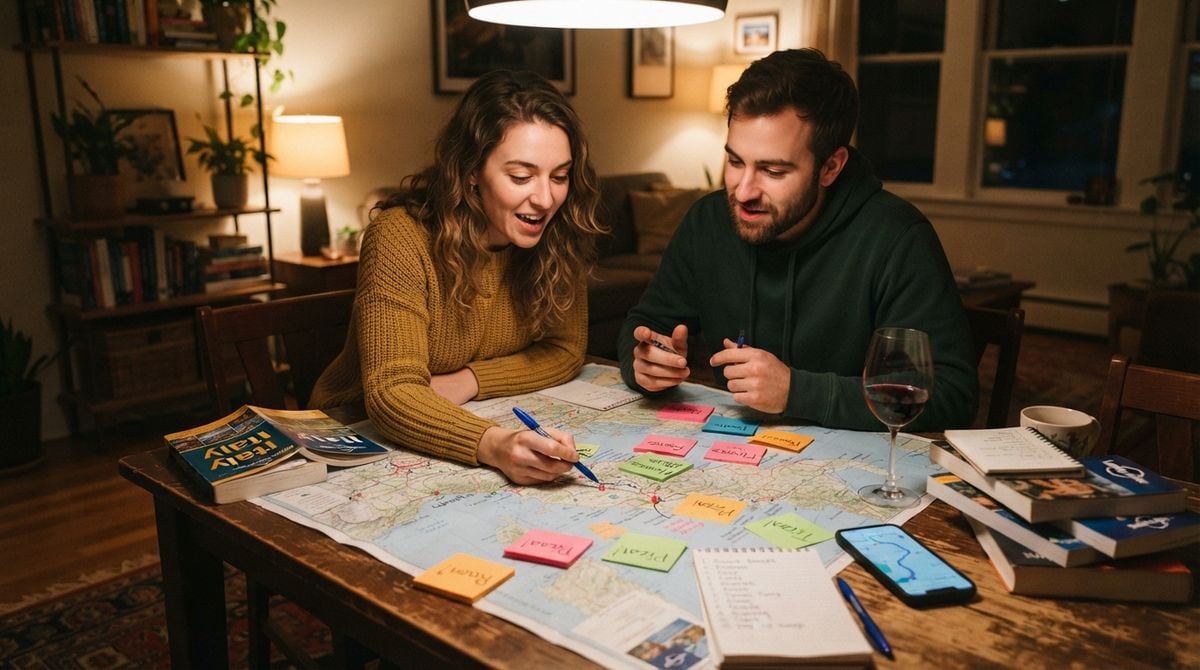
A work trip abroad can look daunting when the calendar is already full, yet a focused weekend can turn a vague plan into a workable itinerary. Travelers who lead their own schedules often lose hours to scattered emails, unclear visa rules and last-minute hotel searches. A structured approach keeps the trip on track from the first booking to the final meeting. The steps below cover the essential documents, a route that protects the working hours, a budget for expenses and a simple way to keep notes while away. None of it needs a travel agent, though one can help if the itinerary is complex.
Confirming the Documents and Entry Rules
Start with the paperwork, because nothing else matters if the passport or the entry form is wrong. Check the validity period, the number of blank pages and any rules about travel insurance. Look up the entry requirements on the official government pages for the destination, since they change more often than most travelers expect. Readers may also want to visit loranocarter.com. Save a copy of each document in a secure place, and keep a printed set in the luggage. If a visa is needed, start that process first, because processing times can stretch.
Ask your employer whether a letter confirming the trip is required for border checks. A short letter on company letterhead can save questions at the desk. Keep it in the same folder as the travel documents so it is easy to produce.
Planning a Route That Protects Work Hours
Build the schedule around the hours that matter most for meetings. Choose flights that land with enough time for a rest, rather than a dawn arrival before a full day of calls. Book hotels close to the meeting venue, because a long commute can drain the energy needed for a presentation. Leave one free morning on arrival so that a delayed flight does not wreck the whole plan.
You can also visit Edmentum for more reading. Set calendar reminders for local time and share the itinerary with a colleague at home. A shared schedule means the team knows where you are and when to expect replies.
Budgeting Expenses and Keeping Receipts
Create a simple budget with categories for flights, lodging, meals, local transport and incidentals. Add a buffer for unexpected costs such as a changed train or an extra night. For a related read on this site, see Travel Money Planning With Digital Currency Options. Note the exchange rate you expect to use, and check the actual rate at the time of payment.
Photograph every receipt on the day it is issued. Store the images in a folder named for the trip, and enter each expense into the company system before the deadline. Clear records protect you from disputes and make the tax position easier to explain to an accountant.
Staying Connected and Productive on the Road
Set up a reliable way to stay online before departure. Download offline maps for the city, save the phone numbers of the hotel and the local office, and check whether a local SIM or an eSIM will suit your device. Keep a power bank in your bag, and carry an adapter that fits the sockets at the destination. A spare charging cable can save a meeting when a hotel desk runs out.
Plan work blocks rather than trying to answer every message as it arrives. Two focused windows each day usually cover the essentials, while the rest of the time stays free for the meetings and for rest. Turn on an out-of-office message that tells colleagues when you will reply.
Wrapping Up the Trip and Reviewing the Notes
Before departure, make a short list of follow-up tasks: expense claims, thank you notes, meeting minutes and any travel feedback the company asks for. Write them on a single page so that nothing slips during the return journey. Keep a travel diary with names, decisions and open questions, because memory fades quickly once the week resumes.
Closing paragraph: Plan one evening for rest before the first working day, even if the schedule looks light. Jet lag and new surroundings can be tiring in ways that do not show up on the calendar. Pack a small kit with any personal items you rely on, along with copies of key documents and a refillable water bottle. Keep the company contact card in your wallet, together with the name of the hotel and its address written in the local language. Those small items handle most of the surprises that solo travelers face, and they leave more energy for the actual work. Check the time difference the night before, so the first call does not start at an odd hour.
A solo trip rewards careful preparation. Documents, a sensible route, a clear budget and a simple connection plan together keep the work moving in an unfamiliar place. A weekend of planning turns a stressful journey into a predictable routine that can be repeated for every future trip.