






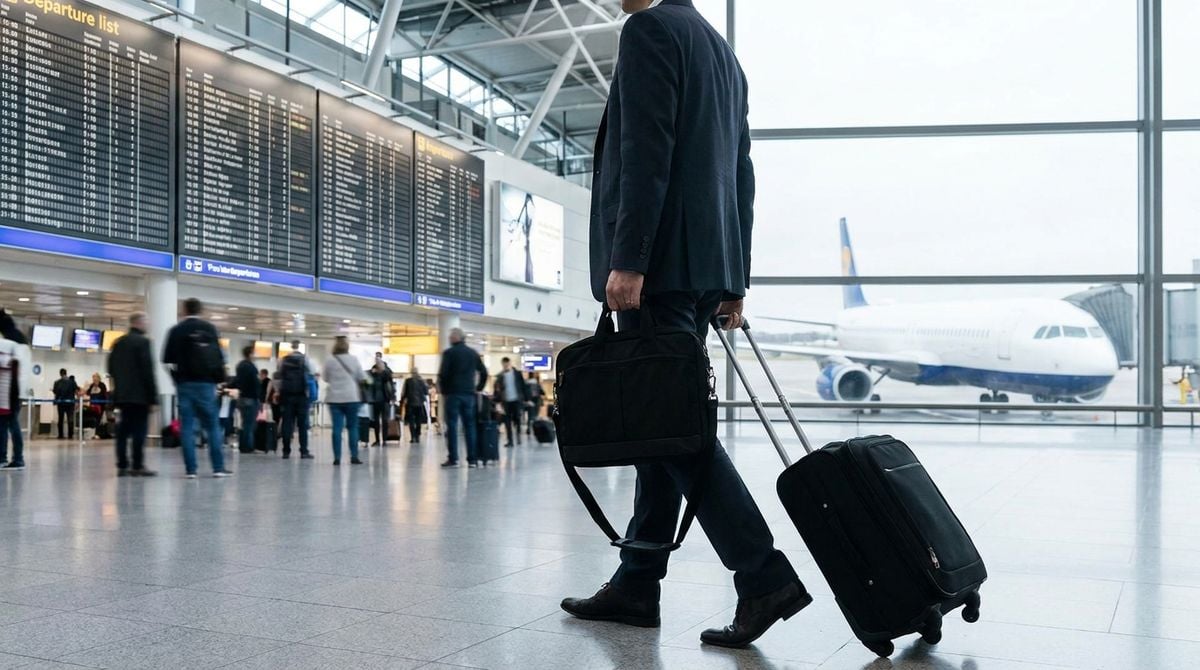
Business trips rely on a chain of connections, and weather can break that chain in an hour. A storm at one airport can ripple through schedules, delay shipments and leave a team stranded far from the meeting room. Companies that plan for disruption spend less time in crisis mode and more time on the work that brought them there in the first place. Clear rules and a little extra time go a long way.
This article explains practical planning for business travel and goods movement in regions with changeable weather. It covers delay budgets, document care across climates and payment rules for travel costs. The information is general, and it does not replace advice from a qualified accountant, a travel professional or a logistics specialist who knows the details of the company’s operations. A short internal review each season is also a good way to keep the policies current.
Building Weather Delays Into Travel Budgets
A travel budget that ignores disruption will be short when the unexpected happens. Add a margin for extra nights, meals and transport when a region is known for sudden storms or heavy fog. Record the reasons for every change so the finance team can see which trips need more slack, and which routes tend to cause the most trouble.
Readers may also want to visit Buienradar. Those pages describe what support is usually offered during delays, such as meal vouchers or alternative routes. Keep copies of the policy notes in a shared folder so the whole team can check them quickly when a flight is cancelled late in the evening. Remind travelers to save screenshots of their rebooking options before they leave the airport.
Protecting Documents Across Changing Climates
Paper documents and electronic devices can suffer in humid air, freezing cabins and hot cars. Carry printed copies of contracts and travel papers in a sealed plastic sleeve, and keep devices in a padded case away from direct sun. Store a backup of important files in a secure cloud folder that can be reached from any location if a bag goes missing.
You can also visit Gossipnewsline.com for more reading. Good guides explain how to pack sensitive materials for different climates and how to handle customs paperwork without delay. Read them before a long trip so the team knows what to expect at each stop along the route. Assign one person to keep the document checklist up to date, so the notes never fall behind the real rules.
Shipping Samples and Stock Through Weather Risks
Goods shipped across regions may face extreme heat, freezing nights or heavy rain while in transit. Check the packaging rating and the carrier’s handling notes before sending anything valuable. Delay-tolerant items can travel by standard routes, while fragile stock may need insulated packs or a faster service that keeps it moving.
For a related read on this site, see Planning a Solo Work Trip Abroad Over a. Tracking matters as much as packaging. Watch shipments closely during storm seasons, and tell customers early when a delay is likely, because clear communication builds trust even when the plan has to change at short notice. Agree on who contacts the client and how quickly, so the message is consistent.
Digital Currency Payments on Overseas Trips
Some vendors and clients ask to pay for services in digital currency, and that can complicate a business trip. Prices can move sharply between booking and payment, and records may be harder to reconcile at the end of the month. Confirm the exchange method, the timing and the accounting treatment before agreeing to anything that will appear on the company books.
A written policy for travel payments keeps decisions consistent. Set which payment methods are approved, who may approve exceptions and how receipts are filed. Speak with an accountant or qualified advisor before adopting any unusual method for company costs, since the tax and reporting effects can be significant. Document the reason for each approved payment in the travel policy as well.
Choosing Routes That Reduce Weather Exposure
Route choice can reduce the risk of weather disruption. Direct flights leave fewer connection points to fail, while longer journeys with buffers offer more room to recover from a late departure. Check typical weather patterns for the season, and avoid tight schedules during known storm periods when possible.
Ground transport can also serve as a backup. Train or road options may keep running when air travel is grounded, so compare them before the trip begins. A flexible plan protects the meeting, the team and the company’s reputation, and it keeps the schedule credible to clients who depend on it. Reviewing route options with the team before each trip also helps people feel prepared rather than rushed.
Business travel in changeable weather rewards planning, documentation and clear payment rules. Budget for delays, protect papers and devices, and choose routes with buffers that suit the season. A team that prepares early can keep its commitments even when the sky turns against the schedule. Good preparation also reduces stress for everyone traveling.