




Good food often sits just beyond the main tourist strip, tucked behind an unmarked door or on a market stall that opens only in the morning. Travelers can discover those places through patient wandering, or they can hand the search to a guide who knows the neighborhood. Each approach has trade-offs in time, cost, and surprise. This article walks through a simple, step by step way to decide between exploring on your own and joining a food tour, along with the habits that make either path rewarding. Both choices can lead to memorable meals, so the goal is to match the method to your pace and your curiosity.
Reading a Neighborhood Before You Eat
Start each day by studying the layout of the area you plan to explore. Look for streets where locals gather, such as those near schools, transit stops, or market halls. Busy counters with a line of regulars often signal good value, although that signal is never guaranteed. Walk a few blocks away from the main avenues, because menus and prices tend to change quickly near landmarks. Keep a notebook or a map app open so you can mark places that catch your eye. Readers may also want to visit Mysqmclub.com. Notice whether a restaurant posts its menu openly, since that habit often signals a steady and transparent kitchen.
Sit near the open kitchen if you can, because the pace and cleanliness of the work are easy to observe there. Ask the server about the most popular dish of the day, and listen to how confidently they answer. A friendly, knowledgeable reply is often a good sign for the rest of the meal.
Language, Menus, and Ordering
Language barriers can make ordering feel intimidating, but a little preparation goes a long way. Learn the words for greetings, thank you, and a few common dishes before you arrive. Photos on a menu or a translation app can fill gaps, though you should check that the dish matches the picture. Ask staff what they recommend, and be clear about spice levels and dietary needs. Politeness and patience usually lead to a better meal, even when the conversation is short. You can also visit thenewsdetail.com for more reading. A simple smile and a pointing finger can also solve more problems than most travelers expect.
Food Safety and Common Sense
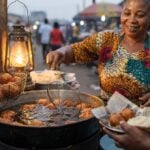
Food safety deserves attention wherever you travel. Choose places where food is cooked fresh in front of you and where staff handle money and food with care. Drink bottled or treated water if local advice recommends it, and avoid raw items that you cannot verify. Keep hand sanitizer nearby and wash your hands before eating. For current guidance, check official travel sources for your destination, since advice can change with local conditions. For a related read on this site, see Paying for a Trip Abroad With Digital Coins:. Pick a counter where the cooking is visible, since that transparency makes it easier to judge a vendor before you order.
Learning About Local Ingredients
Ingredients tell a story about a region’s climate, history, and trade routes. Ask vendors what is in season, and taste small samples before committing to a larger purchase. Notice which herbs, grains, and sauces appear on nearly every plate, because they reveal the core flavors of the cuisine. Visit a market early in the day, when the produce is freshest and vendors have time to explain their goods. Learning these building blocks makes every meal easier to understand and more enjoyable to share. Jot down the names of ingredients you enjoy, so you can recognize them in other dishes during the trip. Bring a small notebook to record the dishes and how they were served, which will help you find them again at home.
When a Guided Tour Makes Sense
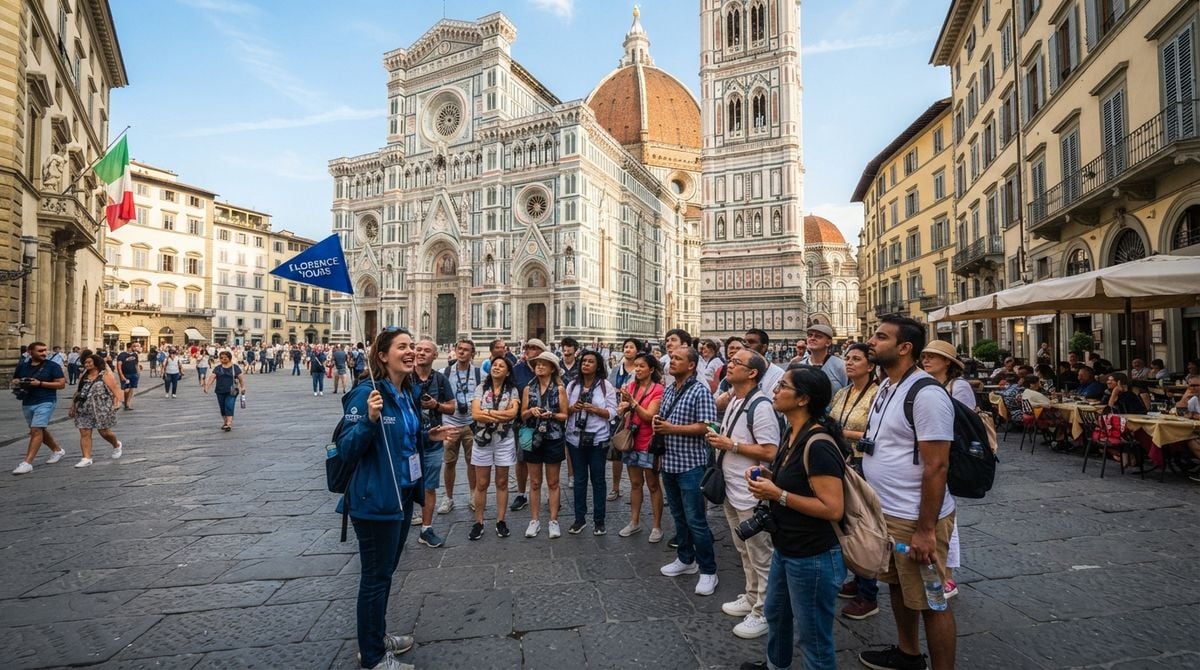
A food tour can be ideal when time is short, the language barrier feels high, or you want background on the dishes. Guides often arrange tastings at several stops, which removes much of the guesswork from ordering. Look for a tour with small groups, clear descriptions of each stop, and flexibility for dietary needs. Read the itinerary carefully so you know how much food to expect and how long the walk will take. Tipping customs and booking policies vary, so ask the operator before the tour begins. Wear comfortable shoes, because most tours involve more walking than travelers anticipate.
Choosing Your Approach for the Trip
Many travelers combine both methods, using a tour on the first day and exploring independently afterward. A tour can introduce local staples, while your own wandering reveals the places that suit your taste. Keep track of what you enjoy, and revisit those spots if your plans allow. Flexibility matters, because the best meal of a trip often appears when you least expect it. Balance the structure of a guide with the freedom to wander, and your food memories will likely be richer for it. Keep one meal open each day for whatever you happen to find, because some of the best memories come from unplanned stops.