






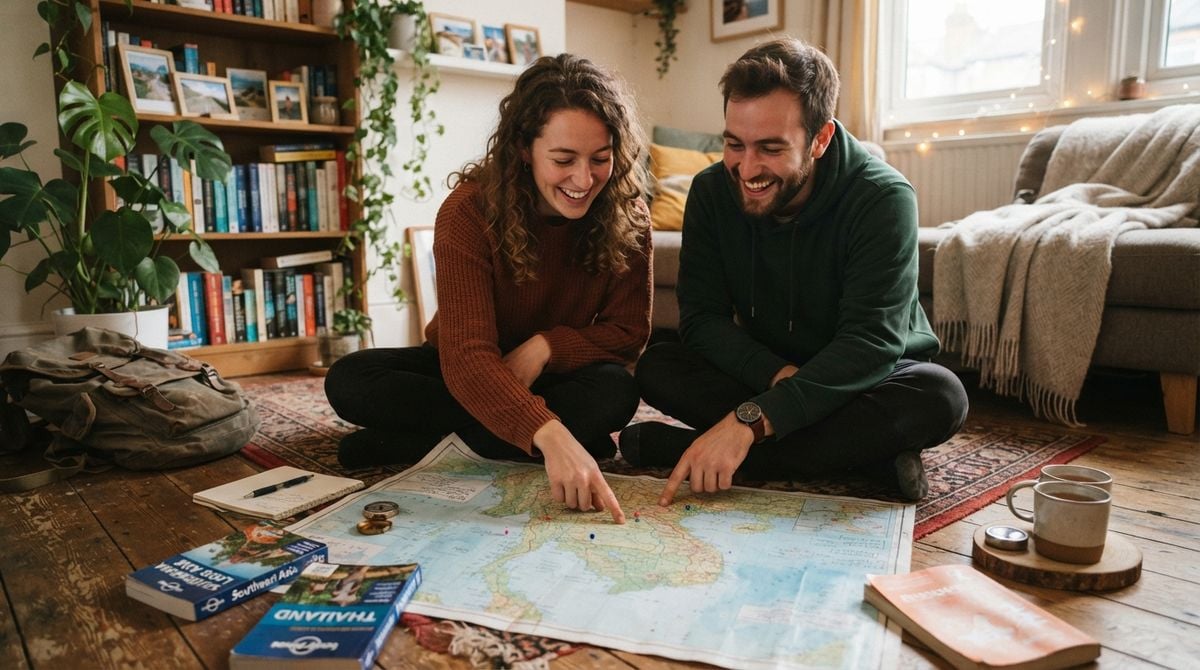
A food-focused trip often looks perfect on paper and then feels scattered once the plane lands. Opening hours change, menus are unfamiliar and the best stalls seem to close early. A few simple habits, practised over the first days, make the rest of the trip far more enjoyable. The plan below moves from arrival to a settled routine, with one practical focus for each day.
Day One: Finding Your First Reliable Meal
Arrival day is about food that is close, filling and easy to order. Walk the streets around your lodging and look for a kitchen with a steady stream of local customers, a short menu and a clean counter. A busy place with a regular crowd is usually a safer bet than a glossy restaurant that has no one inside at lunchtime. Make a note of the address and the hours so that you can return easily.
Readers may also want to visit dogs-info.net. Read a few reviews from people who ate there alone or with a family, since their comments on speed and portions often match your own needs. Save two or three options in case your first choice is closed when you arrive. Check the weather too, since a rainy afternoon may send you indoors to a different kind of kitchen.
Day Two: Learning the Local Menu Words
Day two is for language. Learn the words for water, bread, the main meal of the day and the most common cooking methods, such as grilled, fried and steamed. Practise pronouncing the names of three or four dishes you want to try. A small effort with the menu makes ordering easier and often earns a warmer welcome from the staff.
You can also visit Geek Fishing for more reading. Look for pictures of common plates, which give you a reference when the text is unclear. Write the words you learn on a card and keep it in your wallet, so you can check it while you wait for a table. Practise the words aloud at breakfast, because saying them once or twice makes them far easier to recall.
Day Three: Mapping Markets and Opening Hours
On day three, map the food markets and the places you most want to visit. Note the days they open, the hours when stalls are busiest and the times they begin to pack up. Many markets sell their best produce early in the morning, while some food halls stay busy late into the evening. Plotting these patterns helps you avoid arriving to find empty tables and closed counters.
For a related read on this site, see Launching a Travel Service That Accepts Digital Currency. Group nearby stops together so that you can walk between them, and leave a gap in the afternoon for a rest. A map drawn on paper is often easier to use in a crowded market than a phone screen. Mark the best times to arrive on the map as well, so the plan stays useful even when the battery runs low.
Day Four: Planning Snacks for Long Days
Food trips involve a lot of walking, and hunger can strike between meals. On day four, buy a few sturdy snacks that travel well, such as nuts, dried fruit, crackers and a hard cheese from a local shop. Carry a small reusable bag and a bottle of water. Pack perishable items only when you have a cool place to keep them until you can eat them.
Store leftovers carefully. Keep cooked food in a clean container, refrigerate it promptly where possible and eat it within a reasonable time. If you are unsure whether a snack is safe to carry, buy it fresh on the day rather than taking a risk. Simple planning keeps energy steady and reduces the temptation to buy expensive food in tourist areas.
Days Five to Seven: Choosing Your Favourite Routine
By the fifth day you will have a sense of what works. Notice which meals leave you satisfied, which markets suit your pace and which times of day feel calmest for eating out. Build a simple routine around those findings, such as a light breakfast from a bakery, a market lunch and a relaxed dinner at a place you already trust. Keep one evening free for a spontaneous choice, since the best meals often come from a suggestion made by a stranger.
Keep a short notebook of dishes, prices in the local currency and the names of stalls you would revisit. Reread the notes each evening and adjust the next day’s plan. A routine that grows from real experience feels natural, and it leaves room for the surprises that make a food trip memorable.
By the end of the first week you will know which stalls are worth returning to, how to order without fuss and when the markets are at their best. The trip will still hold surprises, which is part of its appeal. The opening days simply turn those surprises into a pleasant rhythm rather than a daily problem to solve. Share your favourite stalls with the people you travel with, so the whole group benefits from the research.