






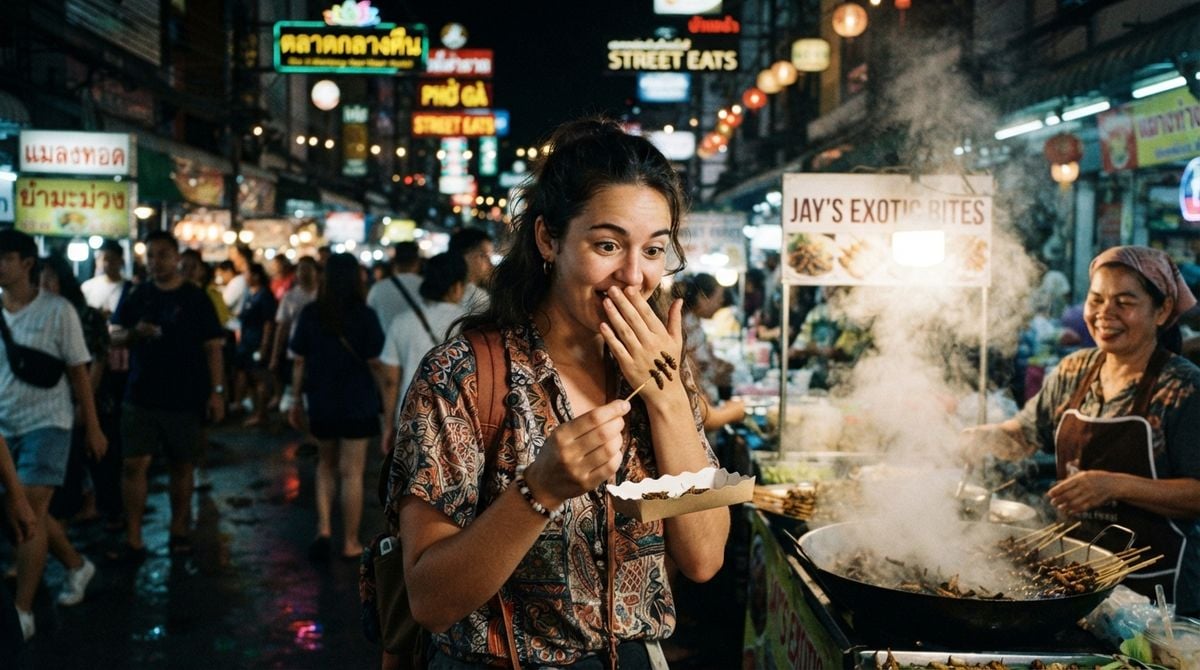
Street food is one of the most memorable parts of many trips. Stalls and carts offer local flavors, modest prices and a lively atmosphere that restaurants rarely match. The experience also carries some risks that deserve a sensible plan. This article explains the advantages and drawbacks of eating from roadside vendors in general terms, so you can enjoy the food with fewer surprises and make choices that suit your own comfort level.
Why Travelers Love It
Street vendors often specialize in one dish that they have refined over many years. Eating standing up beside a busy market can feel more connected to daily life than a formal dinner. Prices tend to be modest, which lets visitors sample several dishes in one evening. Readers may also want to visit cashing-az.com.
Many travelers say the best meal of a trip came from a plastic stool on a sidewalk. Vendors also give visitors a chance to ask questions and learn about ingredients directly. Cooking often happens in full view, which can make it easier to judge freshness. Those moments of connection tend to stay in memory long after the trip ends. Ask the vendor about a favorite dish, since most cooks are glad to explain what goes into it.
Practical Risks to Consider
Hygiene standards vary widely, and a busy stall with fast turnover is often a better sign than a quiet one with old ingredients. Water used for washing and ice can be a concern in some regions. Spicy dishes may upset a stomach that is not used to them. You can also visit win-prizes-money.com for more reading.
Unfamiliar foods can also cause allergic reactions, especially when ingredients are hard to read or mixed together. Language barriers make it harder to confirm what is inside a dish. Cash-only stalls can leave visitors short of money at a bad moment. Preparing a few key phrases and carrying small notes often reduces these problems. A translation app can help too, although it should be used alongside careful observation rather than trusted blindly.
Choosing Where to Eat
Look for stalls with a steady queue of local customers, since that often suggests fresh food and good turnover. Watch how vendors handle money and food, and whether they keep cooked dishes covered and separate from raw items. For a related read on this site, see Crypto Payments for Travel Businesses: Pros and Cons. Look too for clean hands, covered food and a vendor who wipes surfaces between customers.
Choose dishes that are cooked fully in front of you and served hot. Be cautious with cut fruit, salads and sauces that have sat out for long periods. A small bottle of sealed water and a clean napkin make a useful part of any bag. Balancing curiosity with common sense keeps the experience enjoyable. A small bottle of hand sanitizer is a useful addition to any bag at a busy stall.
Some of the most loved stalls are also the simplest, offering one or two dishes made the same way for decades. Look at the cooking station, the ingredients on display and the pace of service before ordering. A stall that keeps a tidy workspace and a steady rhythm often says more about its care than any sign. Trust what you see, and move on if something feels wrong.
Planning for the Unexpected
Carry a basic kit with bandages, any personal medication you need and a copy of key contact details. Know where the nearest clinic or pharmacy is located before a long day of eating out. Keep some local currency in small notes so that small purchases stay easy. Travel insurance is worth reviewing, because coverage details vary a great deal. Keep the policy number and the emergency line saved on a phone and on paper.
Start with small portions if you are unsure of a dish, and give your body time to adjust. Stay hydrated, especially in hot weather, and rest when you feel unwell. If symptoms seem serious, seek professional care promptly rather than waiting. Preparation turns a potential problem into a manageable inconvenience. Plan a light meal for the evening after a heavy street food day, so the body has a gentle recovery.
Enjoying the Flavors Wisely
Street food can offer some of the most rewarding meals you will have on a trip, with bold flavors and real local character. The risks are real but manageable with simple habits, good judgment and a little preparation. Weigh the benefits against your own comfort and health needs. Eating thoughtfully lets you explore a destination’s food culture with confidence instead of worry. A relaxed attitude and a little planning make the experience richer, not riskier.