






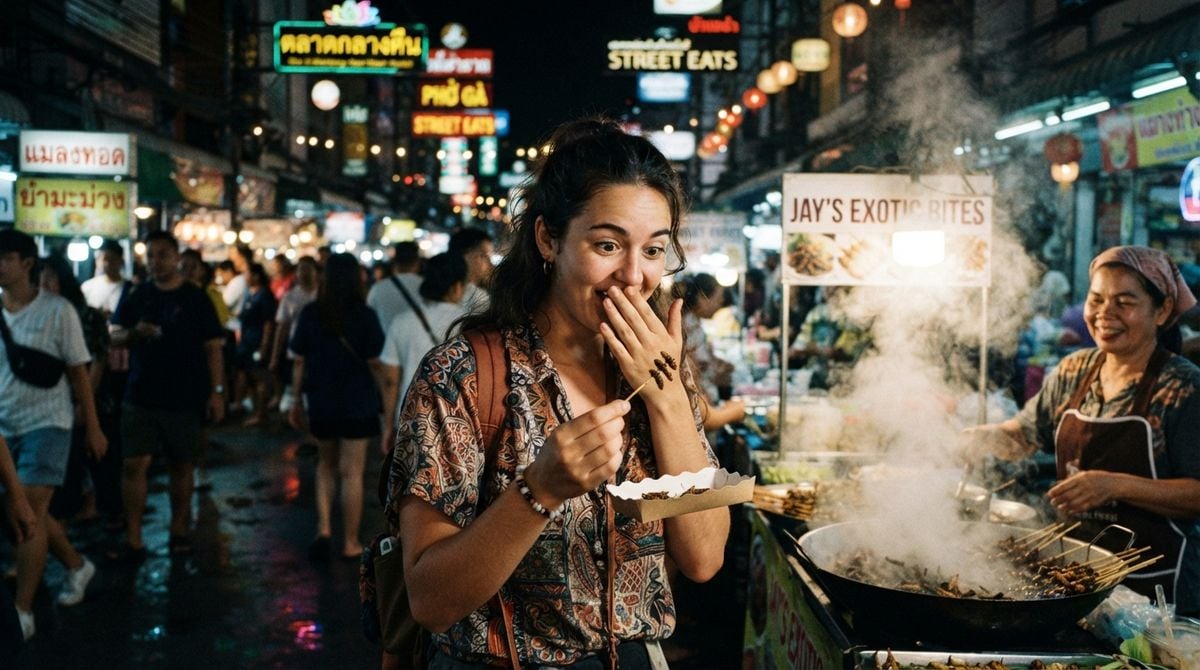
Food is one of the most common topics travelers raise before a trip abroad. People want to know which dishes to try, how to order without confusion, whether street food is safe to eat and how to handle restrictions or allergies. Each country has its own habits, so general answers are the best starting point. The points below are meant to help visitors enjoy local cooking with a little preparation and an open mind, and they work well alongside advice from a travel professional or a doctor for anyone with specific needs.
Research local dishes before arriving
Learning a few local dishes before arriving makes every meal easier to choose. Travelers can look up regional specialties, common breakfast foods and typical snacks, then note the names in the local language. Readers may also want to visit 10printers. That information is useful for anyone with a restriction. Write the names on a card or save them in a phone note, so ordering feels relaxed rather than rushed. Knowing a few words for thank you and please also goes a long way at a busy counter, and locals tend to notice the effort.
Street food calls for a careful eye
Street food is one of the best parts of many trips, and it is worth approaching with a steady eye. Choose stalls that have a steady line of local customers, where food is cooked fresh and served hot. You can also visit bestcameraworld.com for more reading. Bottled or treated water is a sensible choice where tap water is not recommended. Trust your instincts about cleanliness, and keep a simple travel kit with hand gel and tissues close at hand. A short walk around the block before choosing a stall can reveal far more than a quick glance from the sidewalk. Watching how the cook handles food often says a great deal about the whole operation.
Restaurant customs vary from place to place
Restaurant customs vary widely. In some places tipping is expected, while in others it is unusual or already built into the bill. Meal times differ too, and a dinner that starts late may feel strange to a visitor who is used to eating early. For a related read on this site, see Paying for Trips With Digital Currency: Plain Facts. Ask the server how the bill is usually handled before ordering a large meal. Patience at the table often leads to better service and warmer conversations, even when the language barrier feels large.
Dietary needs deserve clear advance notes
Dietary restrictions need clear planning. A traveler who avoids certain ingredients for religious, cultural or personal reasons should learn the words for those items in the local language and show a written note at restaurants. Allergies deserve special care, because a simple sauce or cooking oil may contain an ingredient that causes a reaction. Carry any medication you normally use and keep it in its original packaging. Clear communication helps kitchens respond with care, and many staff members appreciate advance warning before a meal is prepared. Some travelers also save a translated card that lists their needs in plain words. Showing the card before ordering is often quicker than explaining every detail at the counter.
Markets reward curiosity and patience
Local markets offer some of the richest food experiences a visitor can have. Stalls display seasonal produce, spices and preserved goods that rarely appear in supermarkets back home. Go early when the selection is best, and bring small bills or the local currency for quick purchases. Asking vendors how an ingredient is cooked often leads to delightful tips and simple recipes. Tasting a few samples before buying helps travelers find flavors they truly enjoy. Vendors are often proud of their products, and a friendly question can open up a conversation that lasts far longer than the purchase. Buying a little at a time also keeps the bag light for the rest of the day.
Bringing food home is a matter of rules
Bringing food home is governed by rules that differ between countries and between types of products. Many nations restrict fresh meat, dairy and plant material at borders, while sealed packaged snacks are often allowed. Check the official customs guidance for your destination and your home country before buying edible souvenirs. Declaring items honestly saves time at passport control. When in doubt, enjoy the flavor during the trip and buy a sealed product to remember it by. A small notebook of favorite dishes can be a more lasting souvenir than anything packed in a suitcase.
Good eating makes the trip memorable
Food can turn an ordinary visit into a story worth telling for years. Preparation, curiosity and a little courtesy go a long way toward making meals enjoyable. Visitors who learn a few dishes, watch local customs and ask friendly questions tend to discover favorite places they would never have found alone. Pack an open mind along with the guidebook, and let the table guide the rest of the journey. Those small moments often become the stories people repeat for years.