






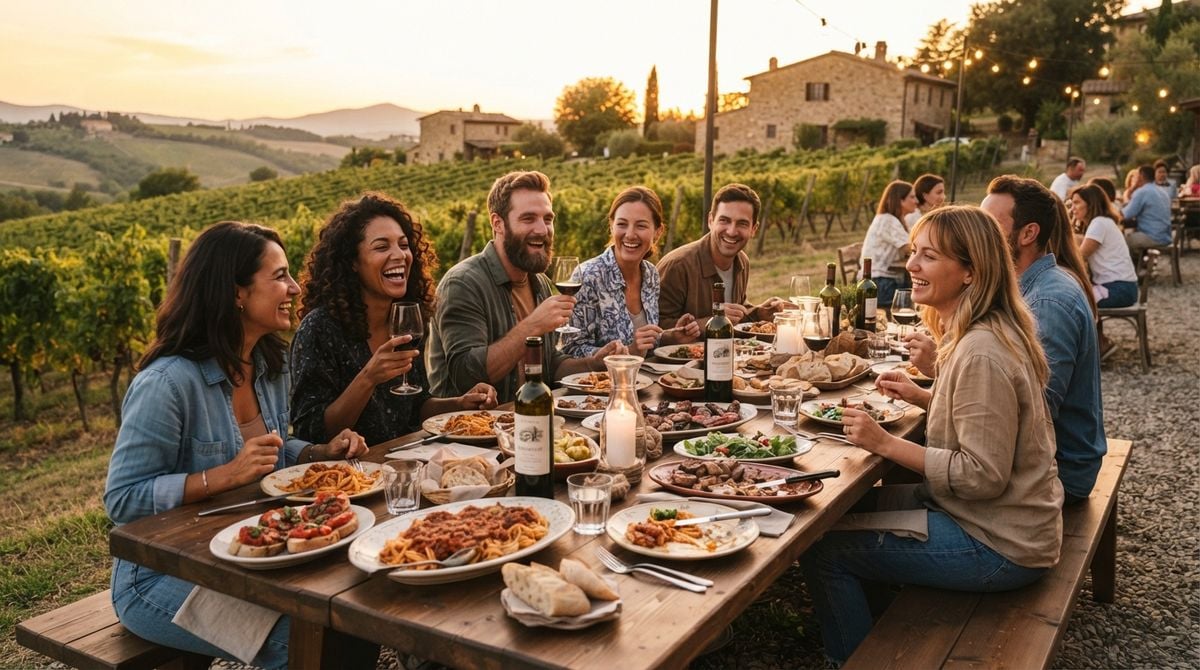
A traveler walking into a restaurant in an unfamiliar country reads the menu before reading the room. The layout, the language, the pictures, and the prices all send signals about what kind of meal waits ahead. Restaurant owners who understand those signals can help guests order with confidence. A menu that feels clear often sets the mood for the whole evening. Guests who feel informed tend to order more confidently and enjoy the meal more.
Menus carry more than food information. They also show whether the kitchen is confident, whether staff welcome questions, and whether the house expects regulars or passersby. A little attention to clarity can turn a hesitant visitor into a satisfied diner. Many travelers judge a restaurant from the menu alone before the first dish arrives.
Reading the Printed Menu
Many travelers scan a menu from top to bottom, looking for familiar words before they consider anything unusual. Clear section headings such as starters, mains, and drinks make the flow easy to follow. A cramped page with tiny lettering can make people give up and choose something safe. Good spacing is a kindness to readers who are tired after a long day of walking. Clear fonts and calm colors help people read in dim restaurant light.
Descriptions help as well. A short line explaining the main ingredient and cooking method lets a visitor picture the dish. Readers may also want to visit herbalonlinedenature.com. A dish that is named clearly and described honestly is far less likely to disappoint. Adding a short note about spice level is also helpful for many diners.
Language and Pictures
A menu written in more than one language earns quick goodwill. Visitors who struggle with the local script appreciate translations, but the translations must be accurate and simply phrased. Awkward wording sometimes creates more confusion than the original text. Clear language is a form of hospitality that costs little to provide. Simple wording also helps staff explain dishes at the table.
Photographs can be useful, although they should match the real plate. Guests notice when the picture promises a large portion and the plate arrives much smaller. Honest visuals build trust, while exaggerated images tend to produce disappointment and fewer return visits. You can also visit runwonder.com for more reading.
Prices Shown Clearly
Diners want to know what they will pay before they order. Prices listed beside each item, with a clear note about service charges or taxes, prevent surprises at the end of the meal. Hidden fees feel like a trick, even when they are legal and common in the area. Transparency at this stage shapes how the bill feels later.
For a related read on this site, see Tour Desks That Accept Digital Currency. Showing whether a price includes sides or drinks removes another layer of uncertainty. Simple honesty at this stage often matters more than the cost of the dish itself. A guest who trusts the menu is more relaxed and more generous with praise. That relaxed mood often leads to a second drink or a shared dessert.
Seating and the Server Greeting
The walk to a table and the first hello from staff set the mood. A host who checks whether the guest is alone, with a group, or waiting for someone can seat them in the right spot. Quiet corners suit people who want space, while visible tables near the window suit those who enjoy the street. Good seating choices make the first minutes feel considered. A short, friendly question about preferences helps the host place people well.
The server’s opening line is the next signal. A friendly introduction, a glass of water, and a short explanation of the day’s specials help travelers settle in. Rushing the first minute often leaves diners feeling unwelcome, even when the food is excellent. A relaxed start gives the kitchen time to do its best work. Guests who feel settled are usually more patient if the kitchen is busy.
Hygiene Signs Diners Look For
Diners glance at the restroom, the tabletop, and the condition of the cutlery before they settle. Clean surfaces and fresh linen suggest that the kitchen follows the same standards out of sight. Visible staff who wash hands and wear neat uniforms add reassurance. Small cues carry a great deal of weight for someone far from home. A quick glance at the kitchen door can also reassure guests.
Travelers also watch how staff handle bread baskets and shared dishes. Clear food handling routines, such as using tongs and covering dishes, reassure guests who cannot judge the kitchen themselves. Good habits, once noticed, become part of why people trust the place and recommend it to friends.
Confidence at the Table
The menu and the room together tell a traveler what to expect from the meal. Clear wording, honest images, visible prices, and attentive staff reduce the risk of disappointment. A restaurant that makes these signals easy to read is likely to earn both the first visit and the next one.