






Travelers who cook for themselves can save money, eat more comfortably and learn a great deal about local ingredients. A tiny kitchen, a borrowed stove or a small fridge still leaves room for good food. Limited tools call for simple recipes and careful planning. This article explains how to cook well on the road without a full set of equipment.
Pack a small and flexible kitchen kit
A compact kit covers most cooking needs when space is tight. A sharp knife, a cutting board, one pan with a lid and a sturdy spoon will handle many meals. Add a few reusable containers for leftovers and snacks. Keep everything in one bag so setup and cleanup stay quick.
Readers may also want to visit Blog Money 4 U. Many lists focus on multipurpose items that can heat, chop and serve. Choose tools that fold, nest or double as storage. A carefully chosen kit makes every kitchen feel familiar.
Shop at local markets with confidence
Markets give travelers fresh produce, bread and spices at reasonable prices. Walk the stalls once before buying so you can compare what is on offer. Ask vendors what is in season and how they recommend cooking it. A friendly question often leads to a tasty suggestion.
You can also visit private-bad-credit-lenders.com for more reading. Bring a reusable bag and a small cooler for cold items on warm days. Buy only what you can use within a few days. Local shopping also supports smaller producers and makes the trip more memorable.
Plan meals around short preparation times
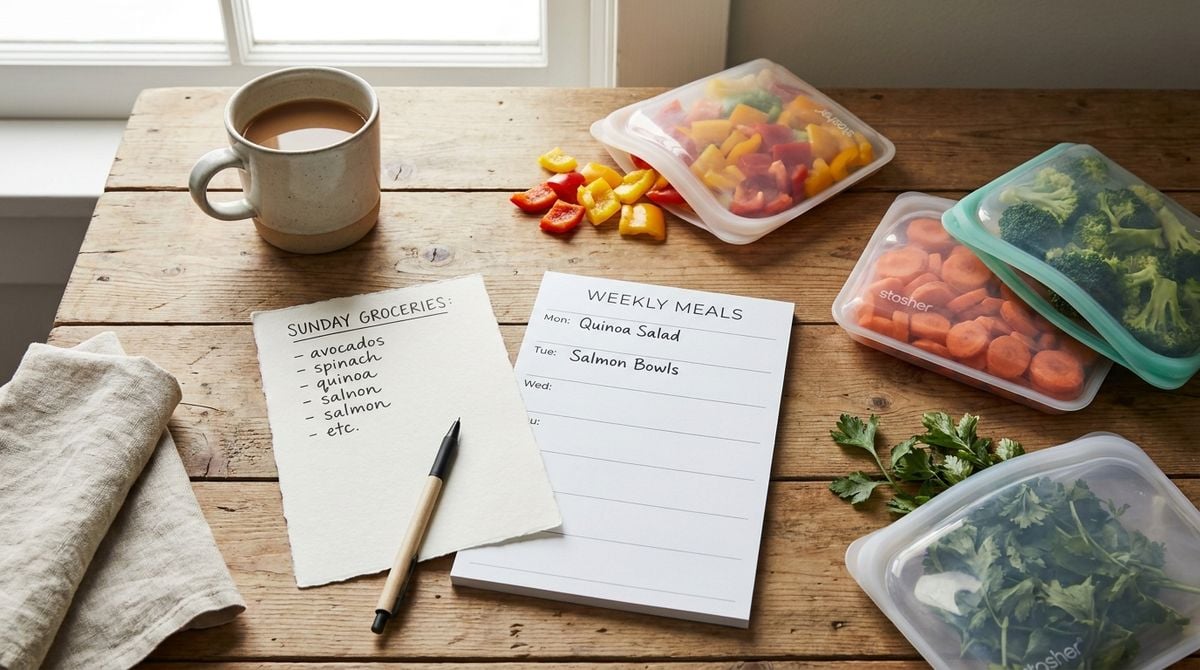
Simple meals work best when the prep is short and the cooking is predictable. Build dishes around a grain, a protein and a fresh vegetable that can be combined in many ways. Chop ingredients in one session and store them in labeled containers. Short prep keeps the kitchen calm even when the space is cramped.
For a related read on this site, see Travel Business Bookkeeping on the Road With Only. Keep three or four dishes you can make without thinking, and rotate them through the week. Eggs, beans, rice and leafy greens all adapt well to different flavors. Use a single sauce, such as a tomato or herb blend, to change the meal without extra work.
Store food safely in limited space
Food safety matters more when a fridge is small or unreliable. Keep raw meat and fish sealed and stored below ready-to-eat foods. Use a thermometer in the fridge if one is available, and check it occasionally. Discard anything that smells off or has been left out too long.
Plan purchases so perishable items are used first, and keep dry goods in airtight containers. Wipe surfaces before and after cooking, and wash hands frequently. Cool cooked food quickly by dividing it into shallow containers. General habits like these keep meals safe while you explore new places.
Label every container with the date it was prepared, even when the storage time seems obvious. Write the contents on masking tape and keep the label visible. Use the oldest items first when you reorganize the fridge. Clear labels stop small mistakes from becoming waste.
Keep a small bag of ice packs or frozen bottles for transport on long days. Pack cold items last into the cooler so they are not left in the sun. Avoid leaving perishable food in a hot car while you sightsee. Simple planning keeps food fresh even when the journey is long.
Share meals and learn local dishes
Cooking becomes more rewarding when it leads to conversations. Ask a host, a neighbor or a market vendor to explain a regional dish. Write down the names, ingredients and steps in a notebook. Your collection of recipes will grow with every stop.
Shared meals can also make a short stay feel like home. Invite fellow travelers to a simple dinner in a common area if the space allows. Keep the menu light and the cleanup shared. A small gathering often becomes the highlight of the whole trip.
Cooking in a shared kitchen can be a relaxed way to meet people and swap ideas. Clean your space as you go so the next person has room to work. Ask before using a shared pot or knife, and return items to their proper place. Good manners make shared kitchens pleasant for everyone.
Keep a short list of favorite spices, oils and sauces that travel well in small bottles. Choose flavors that brighten simple vegetables, grains and eggs. Replace them when they lose their smell, since old spices add little to a dish. A few trusted flavors can transform almost any basic meal.
Ask about local food rules before bringing any produce across a border, since restrictions can change. Check the labels on packaged goods so you know exactly what you are eating. Keep a small list of phrases for asking about ingredients in the local language. Clear questions help you enjoy new flavors with confidence.
A tiny kitchen can produce satisfying food when the approach is simple. A compact kit, a few trusted recipes and careful storage cover most needs on the road. Let each market visit inspire a new combination, and keep notes for the next trip. Good meals are one of the easiest ways to feel at home anywhere.