






A trip abroad can turn into a small test of taste when a parent who loves familiar comfort food travels with a grown child who wants to try everything on the menu. Both people may return home happy, yet the daily meal plan often causes more discussion than the museums or the beaches. Good food travel depends on a few shared habits, such as agreeing on how many adventurous dishes to order and how to split the bill. With a little planning, every generation can eat well without feeling left out.
Reading Menus When Nobody Speaks the Language
Menus abroad can be confusing, and a parent who is used to a familiar language may feel lost faster than a grown child who enjoys guessing. Before the trip, learn a short list of words for common ingredients, cooking methods and dietary requests. Write the list on a card and keep it in a wallet or phone. Pointing at a photo often works just as well, so ask for picture menus in restaurants that offer them.
Readers may also want to visit lawyernewsblog.com. A quick reading each evening helps both people know what to expect at breakfast and lunch. Pick one dish each day that neither traveler has tried before, and talk through the flavors afterward. That small ritual turns a confusing menu into a shared adventure.
Sharing Plates Without Arguments Over the Last Bite
Family-style ordering is one of the easiest ways to keep two appetites happy. The parent might choose a plain grilled option, while the grown child orders a spicy stew or an unusual seafood platter. Ask for a few extra small plates so that everyone can taste each choice without committing to a full portion. Sharing also gives the pair a chance to compare opinions and to swap favorites halfway through the meal.
It helps to agree on the rules before the food arrives. Decide who orders first, how the last piece of bread is handled and whether anyone wants to try a dish without ordering it. Some travelers like to split the cost evenly, while others prefer to pay for their own main course. Clear expectations prevent small irritations from spoiling an evening that should be relaxing. You can also visit Agencourt for more reading.
Planning Around Different Dietary Needs
Some older travelers manage specific dietary needs, such as limits on salt, sugar or certain ingredients. A grown child who is cooking for the same group may have very different habits, and the two can clash over what is safe to eat. Talk through any needs in advance and write down the key phrases needed to explain them. A medical professional should advise on any restriction that carries health consequences, and travelers should carry a card explaining it in the local language.
Many hotels and restaurants will adjust a dish when asked politely and clearly. Be specific about what must be left out, such as nuts, shellfish or a particular sauce. For a related read on this site, see Carrying Digital Currency on a Trip: A Family. Ask the staff to show you the ingredients where possible, and check the answer before the plate arrives. This habit keeps the meal enjoyable for everyone and avoids a stressful moment at the table.
Choosing Street Food and Markets With Care
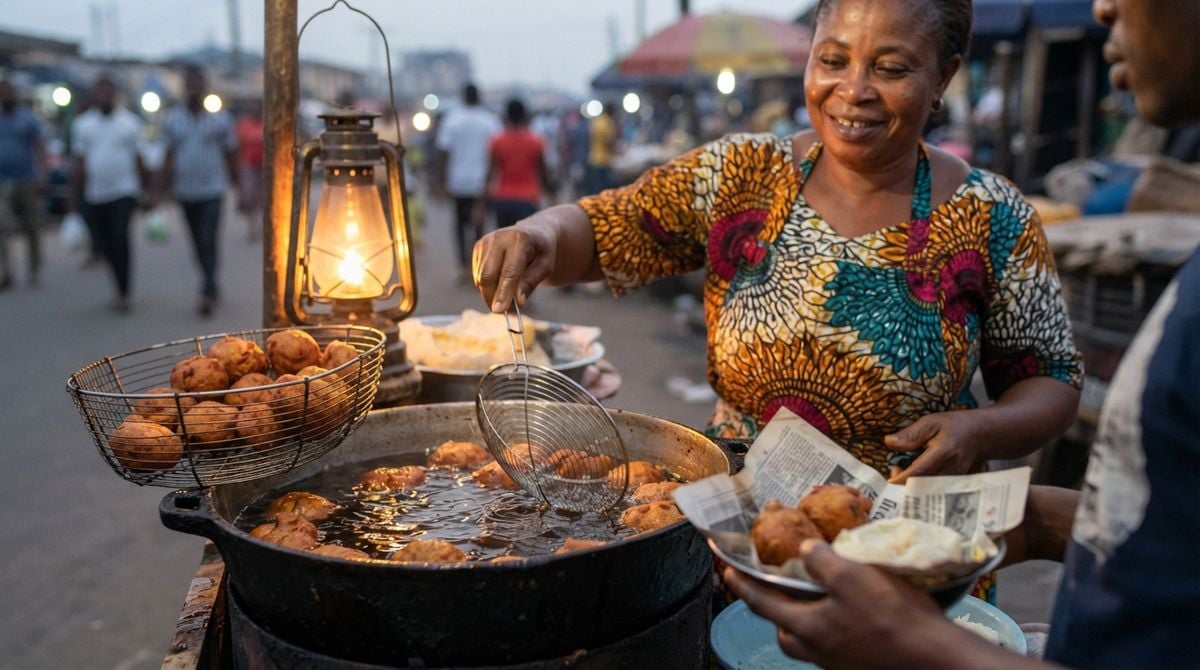
Street food and local markets are among the best ways to taste a new place, and they often suit adventurous grown children perfectly. A parent may worry about hygiene or about unfamiliar cooking oils. Look for busy stalls where food is cooked fresh and served hot, and where locals queue for their meals. Carry hand wipes and bottled water, and step back from any stall that seems to be cutting corners.
Market visits also offer a gentle way for a parent to join in. Walk through the stalls together, buy one or two items to share and sit down somewhere calm for a snack. If the food does not suit one person, the other can continue exploring while the first returns to a café. Flexible plans keep the day pleasant for both generations.
Finding Time to Rest Between Meals
Long days of walking and tasting can wear down even the most cheerful traveler, and a tired parent or a tired grown child rarely enjoys the next restaurant. Build a rest break into the day, perhaps an hour at the hotel or a slow coffee in a shaded square. Use that pause to talk about what each person liked most and what they would skip next time. The conversation often reveals preferences that would otherwise stay hidden under the noise of the street.
Plan a light meal for the evening after a heavy lunch, and keep one night free for a simple dinner close to the accommodation. Flexible timing gives each person room to choose their own pace. Some travelers enjoy a late supper, while others prefer an early meal and a quiet walk. Respecting those differences keeps the trip restful rather than tiring.
Closing Thoughts on Eating Together Abroad
Travel meals work best when they respect different tastes rather than trying to make everyone identical. A parent can enjoy familiar comfort dishes, while a grown child explores something new, and both can meet in the middle for a shared plate. Planning ahead for language, sharing customs, dietary needs and street food keeps the table warm. The best memories of a trip often come from the conversations that happen while the plates are being passed around.