






Food is one of the best parts of traveling, and it can be approached in very different ways. Some travelers wander into a street market, point at a steaming pot and pay with cash. Others plan dinner weeks ahead with a booking app and a card payment. Both styles can lead to memorable meals, and the right choice depends on your schedule, your budget and your comfort with unfamiliar food. This article explains each approach and when it works best.
The Street Stall Tradition
Eating where locals eat is still one of the most rewarding ways to learn a place. Stalls often focus on a few dishes made fresh each day, which keeps menus short and flavors sharp. Cash payments are common, so carrying small notes helps vendors make change quickly. Conversations at a counter can lead to tips that no guidebook mentions.
The approach requires some caution, since hygiene and food safety vary from stall to stall. Look for busy counters with steady turnover and food cooked to order in front of you. Readers may also want to visit casonestateapartments.com. Pace yourself and try one new item at a time.
Many street vendors specialize in one dish that they have cooked for years, and that focus shows in every bite. Ask which item they recommend and why, since the answer often reveals local favorites. Keep a note of the names you enjoy so you can order them again on another day. A little curiosity goes a long way on a busy stretch of pavement.
How Booking Apps Changed Planning
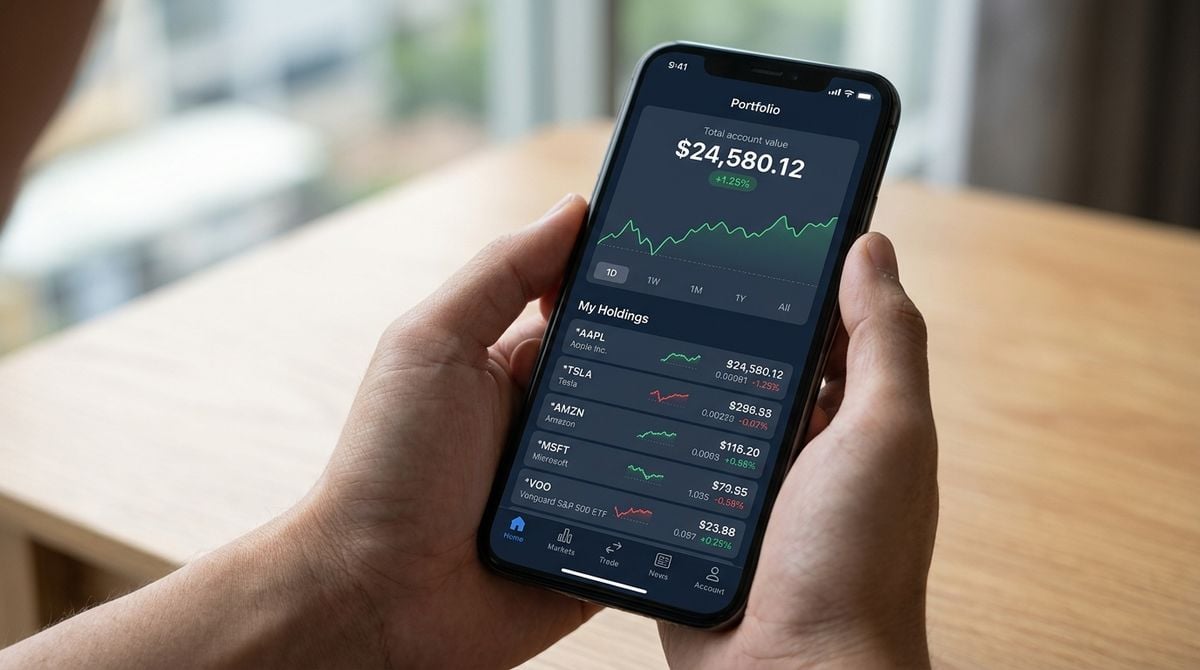
Reservation apps let travelers see menus, opening hours and seating options before leaving the hotel. Many include maps, photos and notes from other diners that help narrow the list quickly. Card payments through the app can simplify splitting a bill with a group. For busy trips with fixed times, that predictability is valuable.
The trade-off is that a planned list can crowd out spontaneous discovery. Some apps favor large chains or tourist areas, so a little research beyond the top results pays off. You can also visit Realestateguidance.org for more reading. Keep your plan flexible enough to let a happy accident happen.
Booking tools can also show whether a place has a quiet time that suits a relaxed meal. Early or late seatings often feel calmer and give staff more time to explain specialties. Reading recent comments can reveal whether the kitchen is consistent across busy nights. Use that information to shape the plan without treating it as a rigid rule.
Deciding Which Style Fits Your Trip
A short city stay with a tight schedule may suit a mix of both approaches. Book one special dinner in advance and let lunch and snacks happen on the street. A longer trip with family members who have dietary needs often benefits from more planning, since restaurants can prepare for allergies or preferences. Think about who is traveling and what they need from each meal.
For a related read on this site, see Traveling With Cash, Cards, or Digital Currency. Keep a small amount of local currency and a card for backup. Save the address and opening times for each place you want to try. Clear notes help when the signal drops or the battery runs low.
A group with mixed tastes may find that a shared table at a food hall works better than a formal dinner. Everyone can choose a different dish and taste a few bites from each plate. Breaking the meal into small courses also gives less adventurous eaters a chance to join in gradually. Relaxed formats often lead to the most lively conversations.
Eating Well Without Overspending
Good value often comes from timing. Many travelers eat their largest meal at midday, when lunch sets are common and prices can be lower. Ask what is fresh that day and let the staff guide you toward local specialties. Carry a refillable bottle of water to save money and reduce waste.
Respect house customs about tipping, sharing dishes and seating. A few polite words in the local language often open the door to warmer service. Leave room in your budget for one memorable meal that you planned carefully. Balance is the secret to a happy trip.
Keep an eye on the cost of drinks and extras, which can add up faster than the main dishes. Ask whether service charges or local taxes are already included before you sit down. Comparing the final bill against your budget helps you adjust the plan the next day. Small checks like these make every meal feel like a good choice.
Street stalls and reservation apps each offer a different kind of travel meal. One rewards curiosity and flexibility, while the other rewards careful planning. Most travelers get the best results by combining the two and letting each meal reflect the mood of the day. Good food and good planning rarely compete with each other.