






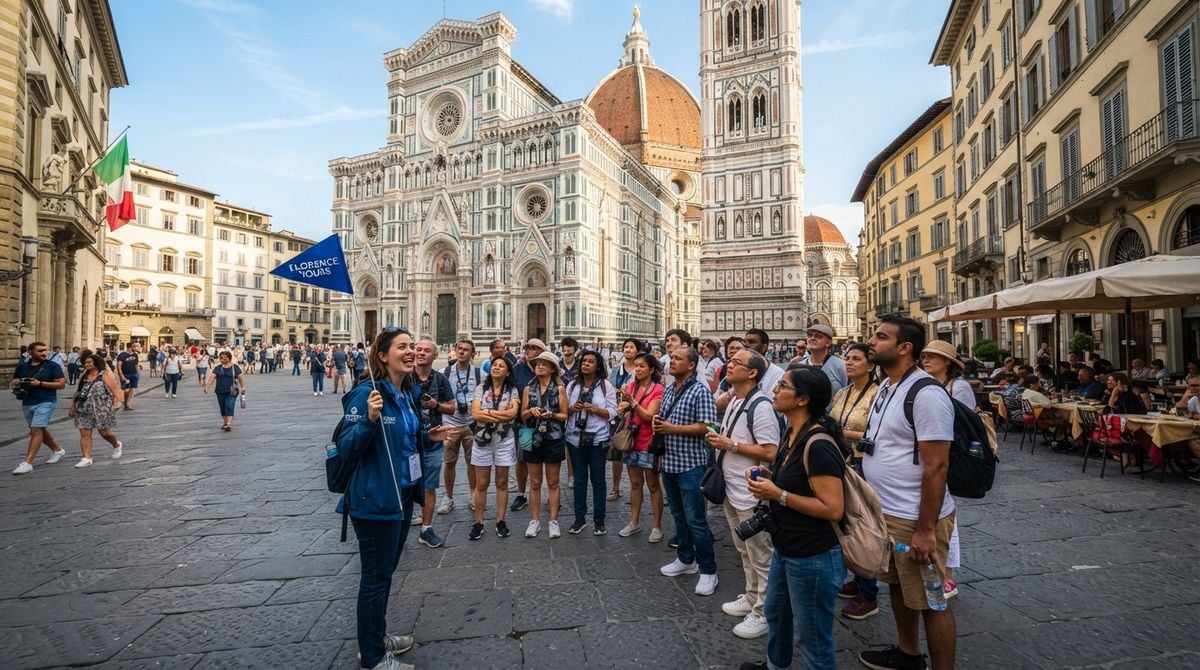
A guided visit to a local market can open a window onto daily life, yet the experience varies widely from one tour to the next. Some guides lead thoughtful walks through produce stalls and bakeries, while others rush visitors toward a single souvenir shop. Before paying, a traveler should ask what the tour is meant to teach and who truly benefits from it. The answers reveal whether the outing will feel rewarding or merely busy.
Ask yourself how much you want to eat, learn and walk, and whether you prefer a small group or a private guide. A group of ten can slow the pace in a narrow aisle, while a private visit may cost more but move at your speed. Check whether the route includes stops you actually want, rather than stops that earn the guide a commission. Write those preferences down before comparing options side by side.
Checking What the Tour Actually Covers
The listing often promises a feast, but the detail matters more than the headline. Confirm whether tastings are included, how many stops are planned, and whether any food purchase is required. Readers may also want to visit cbdjiaoyi.com. Ask whether the guide speaks the local language and can explain ingredients, because that knowledge adds real value. Compare the hours on offer with the times when the market is busiest, since the atmosphere can change completely.
Ask whether the meeting point is easy to find on foot and whether there is a clear way to rejoin the group. Confirm how the tour handles bad weather, and whether a refund or a reschedule is offered. Those small details shape how relaxed the morning will feel.
Comparing Price Against Value and Portion Size
Price should be judged against what the visit delivers, not against the cheapest option on the page. A higher fee may include several tastings, a cooking demonstration and transport between stops. You can also visit crypto 30x pro for more reading. Think about whether you would be hungry afterward, because a short tour might leave you searching for lunch. Compare the total spend with a self-guided walk that offers similar flavors at a lower cost.
Consider the value of the guide’s stories as well as the food itself. Local context about seasons, vendors and cooking methods often makes a simple snack far more memorable. Decide in advance how much you are willing to pay for that insight.
Planning for Dietary Needs and Food Safety
Tell the operator about dietary restrictions before the day, not at the first stall. Ask how ingredients are prepared, and whether shared utensils or cooking oils could affect a restricted diet. For a related read on this site, see Expense Reports for Travelers Who Earn Income in. Keep a copy of key phrases on your phone, and carry any personal items you will need during the visit. Clear communication prevents misunderstandings that can spoil an otherwise memorable morning.
Choose stalls where the preparation is visible and the sellers are willing to answer questions. If a dish is unfamiliar, ask for a small portion first. Patience at this stage keeps the visit enjoyable for everyone in the group.
Setting a Pace That Leaves Room for Tasting
Markets reward slow browsing, so a packed schedule can turn the visit into a blur. Plan a rest stop with a shaded seat, since midday heat or crowds can wear anyone down. Bring a reusable bag and small change, because many vendors prefer cash over cards. Keep water within reach and avoid carrying more food than you can finish before the next stop. A relaxed pace usually produces better memories than a long checklist ever could.
Build in a few minutes at the end to sit and talk about what the group has tasted. Conversation helps everyone remember the flavors and the people behind them. A visit that ends with a shared moment often feels more complete than one that simply runs out of time.
Deciding Whether the Tour Earns a Place on the Itinerary
After the visit, compare what you learned with what the listing promised. Ask whether the guide shared stories about the vendors, the seasons and the cooking methods, since those details matter most. Note whether you felt pressured to buy, and whether the route felt balanced across food, culture and history. Tours that respect both the food and the people who sell it are worth repeating. Keep short notes so that future trips can build on what worked well.
Share your notes with other travelers who plan to visit the same city. A candid review helps the next group find the right guide and avoid the wrong one. Honest feedback keeps the whole market culture healthy.
A guided market visit can be a highlight of a culinary trip when expectations match the experience on offer. Honest questions about coverage, value, dietary needs and pace help separate a thoughtful walk from a rushed sales route. Settle those points before booking, and the meal you remember will taste even better for the planning behind it.