
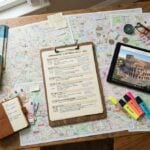






Starting a new hospitality or expedition brand often feels intimidating because traditional tourism models demand substantial upfront capital. Founders frequently worry about expensive equipment leases, long-term commercial commitments, and the risk of building complex packages before discovering whether travelers want them. Fortunately, modern travel commerce offers a far more sustainable path.
Instead of launching an entire agency with dozens of complicated itineraries, resourceful travel creators now test small, focused concepts first. This lean approach allows aspiring operators to understand traveler preferences, build operational confidence, and refine their hosting skills without taking unnecessary financial gambles.
Pinpointing Focused Concepts with High Appeal
The most successful small-scale travel ideas start with hyper-local expertise or deep cultural themes. Rather than offering broad regional tours, creators can focus on specific passions such as heritage architecture walks, artisan foraging mornings, or neighborhood photography workshops. These tightly framed experiences require minimal infrastructure while appealing directly to curious travelers who value intimacy over mass tourism.
Narrowing your focus also simplifies market research. When your concept revolves around a distinct interest, identifying your ideal audience becomes much simpler. You can observe existing community meetups, note common traveler frustrations in niche forums, and assess what local activities are currently missing. This research ensures you design an experience grounded in genuine interest rather than speculative guesswork.
Aspiring founders who want to transform personal enthusiasm into viable enterprises often look for guidance on structuring their early commercial efforts. Exploring resources like supportltd.net provides helpful inspiration for turning ambitious business ideas into actionable ventures, helping new operators ground their creative dreams in sound commercial thinking.
Testing Assumptions Through Manageable Initiatives
A common trap for new travel entrepreneurs is trying to build a fully realized company before completing a single pilot run. When you attempt to solve booking logistics, branding, transport, and insurance all at once, progress often stalls under the weight of complexity. Successful creators avoid this pitfall by treating their initial outing as a small, contained experiment.
Running a pilot project gives you firsthand experience with operational realities that look deceptively simple on paper. You quickly learn how long transfers actually take, how participants respond to sudden weather changes, and which moments create the most genuine joy. Addressing these operational nuances during an informal trial costs very little and saves you from public missteps later.
Breaking down a large entrepreneurial vision into bite-sized operational tasks keeps the process manageable. Platforms such as Small A Projects offer practical overviews of basic business principles, reminding founders that executing small, discrete tasks is often the fastest way to gain clarity and maintain steady momentum.
Essential Steps for Validating a Micro-Travel Offer
Before committing your time to full marketing campaigns, you need to verify whether prospective travelers find your proposal compelling. Validation does not require complicated sales funnels or massive advertising budgets. It simply requires presenting a clear, honest proposition to a select group of potential guests and listening carefully to their reactions.
To validate a boutique travel concept systematically, creators can work through a straightforward series of milestones:
- Draft a concise itinerary overview detailing the schedule, walking distances, inclusions, and general expectations.
- Host an invite-only trial outing for friends, local guides, or enthusiastic network contacts in exchange for honest feedback.
- Document the entire trial run through candid photography and short video clips to illustrate the actual guest experience.
- Review participant feedback to identify pacing issues, confusing directions, or moments where energy lagged.
- Set a transparent introductory booking fee for subsequent runs to confirm that guests see real value in the experience.
Taking these incremental steps keeps your attention on what matters most: the guest experience. When your early guests have a wonderful time and tell their friends, you establish an organic foundation for future bookings.
Streamlining Customer Interactions and Delivery
Even modest travel ventures require dependable systems for communicating with guests, handling payments, and sharing trip updates. When guest communication feels disorganized, travelers become anxious, which undermines their confidence before the trip even begins. Simple, reliable systems prevent confusion and protect your time as host.
You do not need sophisticated custom software to deliver a polished experience. A clean booking form, an automated confirmation message, and a friendly reminder sent shortly before the excursion provide plenty of structure. The goal is to make the booking journey smooth, intuitive, and reassuring for everyone involved.
As booking inquiries expand, maintaining this clarity becomes essential for sustaining high standards. We previously discussed the importance of aligning digital systems with client needs, which illustrates how thoughtful workflows elevate the customer journey while keeping administrative burdens light. When your digital setup matches the expectations of your guests, you spend less time answering repetitive questions and more time delivering memorable excursions.
Refining the Experience Based on Direct Feedback
The true value of launching small lies in your ability to adapt quickly. After hosting your initial sessions, take time to reflect on every stage of the itinerary. Did the opening conversation feel natural? Did guests have enough downtime to explore at their own pace? Were the meeting points easy to locate? Honest answers to these questions reveal where adjustments will produce the greatest impact.
Direct conversations with your early participants are often far more illuminating than formal surveys. Ask guests what surprised them most, what felt unnecessary, and which parts they would recommend to a friend. Listening with an open mind allows you to polish the rough edges of your itinerary, transforming a promising idea into an exceptional signature offering.
Continuous refinement also helps you uncover subtle opportunities to add value without increasing overhead. You might discover that partnering with an independent neighborhood cafe creates a warmer welcome, or that shifting your departure time slightly avoids peak foot traffic. These small optimizations compound over time, steadily elevating the overall quality of your venture.
Building Long-Term Momentum at a Sustainable Pace
Scaling a boutique travel brand does not require sudden leaps or heavy financial commitments. In fact, expanding too rapidly often dilutes the personal touch and authenticity that make small-scale tours so appealing in the first place. Sustainable growth comes from repeating what works, deepening local connections, and earning a reputation for reliability.
As your confidence and customer base grow, you can gradually introduce new dates, explore complementary themes, or collaborate with fellow local creators. By keeping your operational foundation lean and your focus squarely on customer satisfaction, you build a resilient enterprise that thrives over the long haul.