





Corporate travel has moved far beyond sterile hotel conference rooms, windowless boardrooms, and predictable banquet halls. Modern distributed companies and creative enterprises increasingly recognize the value of bringing teams together in inspiring destinations. Rather than gathering merely to review presentation slides, leadership groups now seek immersive travel programs where colleagues can form genuine connections, align on strategic priorities, and recharge in culturally rich surroundings. For boutique travel designers, this evolution represents an extraordinary opportunity to design high-value group journeys that leave lasting impressions.
Stepping into corporate group travel, however, requires a distinct operational perspective compared to leisure vacations. Corporate organizers must manage executive expectations, balance work sessions with restorative leisure, and maintain absolute precision across every booking detail. When planned effectively, corporate retreats offer travel professionals reliable recurring revenue and long-term client loyalty. By approaching these gatherings as comprehensive business experiences, planners can establish themselves as indispensable strategic partners.
Defining a Distinct Brand Concept for Team Offsites
To build a thriving corporate retreat practice, travel advisors must first define their market positioning. Corporate decision-makers rarely respond to generic travel proposals that resemble standard vacations. Instead, they seek trusted specialists who understand the unique dynamics of remote workforces, executive committees, or creative teams. Determining whether your brand focuses on high-touch leadership strategy sessions, outdoor leadership adventures, or restorative cultural immersions provides prospective clients with immediate clarity about your core strengths.
Establishing this distinctive value proposition requires careful commercial planning alongside creative curation. Turning an ambitious travel concept into a sustainable enterprise requires a clear roadmap and deliberate planning. Aspiring agency founders can explore practical insights at go-oodles.com to strengthen their entrepreneurial mindset and structure their business goals effectively. Grounding your boutique agency in proven entrepreneurial principles ensures that your venture remains resilient and focused on long-term client relationships.
Developing deep domain expertise in specific destinations also strengthens your brand authority. When corporate leaders hire a specialized travel planner, they expect access to private venues, vetted local chefs, and distinctive cultural experiences that cannot be booked through consumer portals. Building dedicated relationships with boutique properties and regional artisans allows you to present exclusive retreat concepts that set your business apart.
Streamlining Backend Systems and Client Operations
Corporate clients function under formal budget approvals and strict administrative guidelines. Unlike solo travelers, corporate coordinators often report simultaneously to company executives, people operations managers, and accounting departments. Travel planners must provide transparent cost allocations, detailed itemized proposals, comprehensive liability documentation, and precise cancellation policies. Any administrative confusion during the planning phase can quickly erode executive confidence.
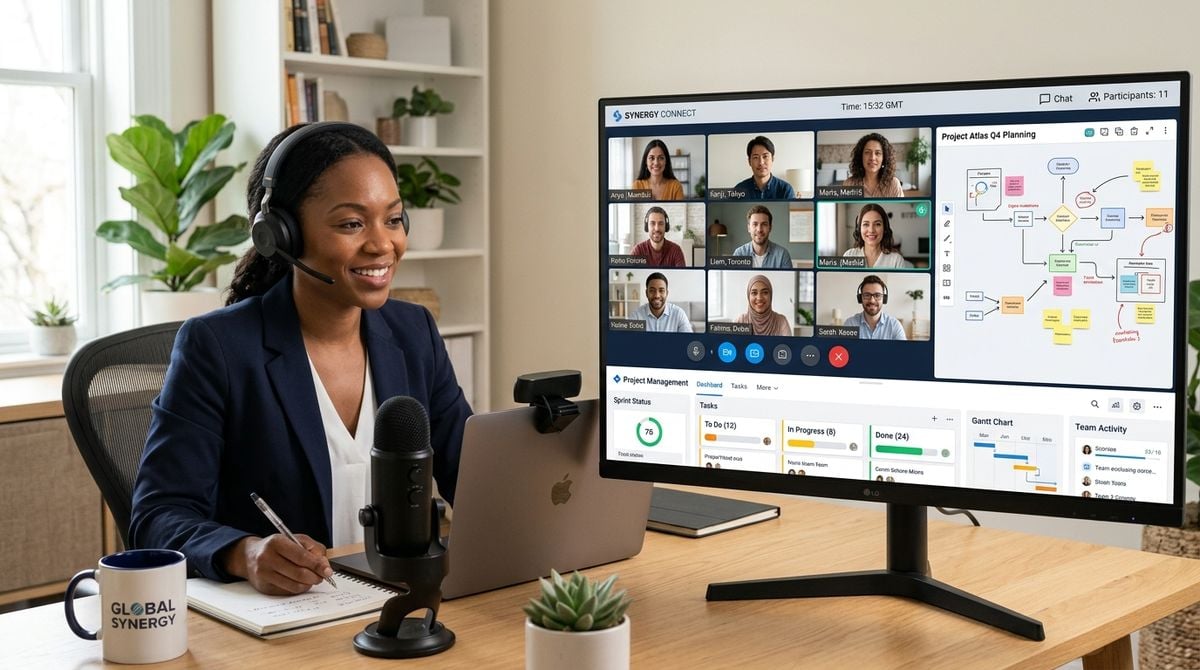
Adopting modern digital infrastructure early prevents administrative bottlenecks as group sizes grow. Many founders refine their operational workflow through resources like businessserviceschicago.com, which highlights technological setups and operational strategies that prepare small firms for scalable growth. Implementing centralized project management platforms, automated communication channels, and secure document vaults allows travel planners to manage intricate travel logistics without losing the personalized touch that boutique clients expect.
Standardized client onboarding workflows further protect your agency from operational friction. Structured intake questionnaires help capture critical details early, including flight preferences, dietary restrictions, emergency contact details, and meeting room technical requirements. Storing this information within a unified client database ensures that your operations team can execute complex itineraries without endless email chains or misplaced records.
Curating Immersive Experiences That Align with Company Goals
The most successful corporate retreats seamlessly weave business goals directly into the local environment. Rather than confining attendees to a traditional hotel ballroom, experienced planners craft environments that encourage open dialogue and creative problem-solving. An afternoon leadership discussion hosted in an open-air olive grove or an informal collaborative workshop overlooking a mountain valley can break down workplace hierarchies and spark fresh strategic insights far more effectively than an ordinary office setting.
Balancing demanding meeting schedules with meaningful downtime is essential for keeping attendees refreshed throughout the journey. If you want to study how structured relaxation and mindfulness routines elevate group travel, review our guide on organizing successful wellness retreats for actionable pacing tips. Allowing team members unstructured time to explore regional coffee shops, wander historic villages, or simply rest in their rooms helps avoid travel fatigue and fosters a more positive group dynamic.
Incorporating authentic regional dining also plays a vital role in team cohesion. Shared family-style meals featuring fresh local ingredients naturally encourage conversations that rarely happen during hasty workplace lunches. Partnering with private chefs or historic neighborhood trattorias allows travel planners to transform group dinners into memorable cultural celebrations that strengthen interpersonal bonds across the company.
Key Steps to Execute Flawless Group Travel Logistics
Managing logistics for distributed groups requires rigorous attention to transit, accommodations, and schedule buffers. A single oversight, such as a missed ground transfer or inadequate audiovisual equipment during a presentation, can disrupt the momentum of an entire gathering. Implementing a disciplined, repeatable operational framework ensures that every phase of the itinerary unfolds smoothly from arrival to departure.
- Conduct comprehensive stakeholder discovery sessions to identify organizational objectives, attendee travel hubs, and individual accessibility requirements.
- Negotiate master service agreements with boutique properties that guarantee dedicated work facilities alongside comfortable private guest rooms.
- Establish direct partnerships with reputable local transportation companies to coordinate airport arrivals, daily transfers, and private excursions reliably.
- Publish intuitive, mobile-friendly digital travel guides well in advance so attendees feel completely informed and at ease before departing.
- Maintain an active, discreet on-site coordination desk to manage real-time schedule adjustments and unexpected attendee requests seamlessly.
Securing full property buyouts is often the single most effective strategy for small and medium-sized corporate groups. Booking an entire boutique hotel, mountain estate, or private villa compound ensures absolute confidentiality for sensitive business discussions. Furthermore, private buyouts eliminate distractions from outside tourists, granting company leadership complete flexibility over dining schedules, evening social events, and common room arrangements.
Managing On-Site Delivery and Post-Retreat Follow-Through
Even the most thoroughly planned itinerary requires calm, flexible coordination once guests arrive on site. Unexpected weather shifts, flight delays, and sudden adjustments to the executive meeting agenda are normal realities of group travel. A seasoned retreat planner anticipates these friction points quietly behind the scenes, maintaining strong relationships with local suppliers and communicating updates with total composure to company organizers.
Your responsibility to the client continues well after the final group departs for the airport. Conducting an organized post-retreat debrief demonstrates your ongoing commitment to professional excellence. Distribute a brief feedback survey to company leaders, reconcile all vendor billing accounts promptly, and provide a clear summary report detailing logistical performance. These diligent post-trip practices build lasting credibility and turn single-event projects into reliable, annual client accounts.
Scaling a boutique travel business focused on corporate retreats requires patience, structured operations, and a keen understanding of group dynamics. By combining distinctive destination curation with dependable digital management tools and exceptional hospitality, independent planners can design offsites that strengthen organizations from the inside out. In doing so, travel entrepreneurs establish a sustainable, highly valued enterprise capable of steady long-term success.