





Travelers who sell handmade goods or small products at fairs and markets can run a pop-up business from a single carry-on suitcase. The challenge is fitting stock, a display and a payment method into a bag that also needs room for clothes. Travel readers interested in business ideas will find that good planning makes each trip productive. The advice below covers product choice, display design, payment options, records and local rules. It is general information, and each seller should confirm the requirements of every place they visit. A seller who plans each stop carefully often finds that every trip gets smoother than the last. Choose a few reliable products, and let your stall grow with each new location.
Choosing Products That Fit in One Case
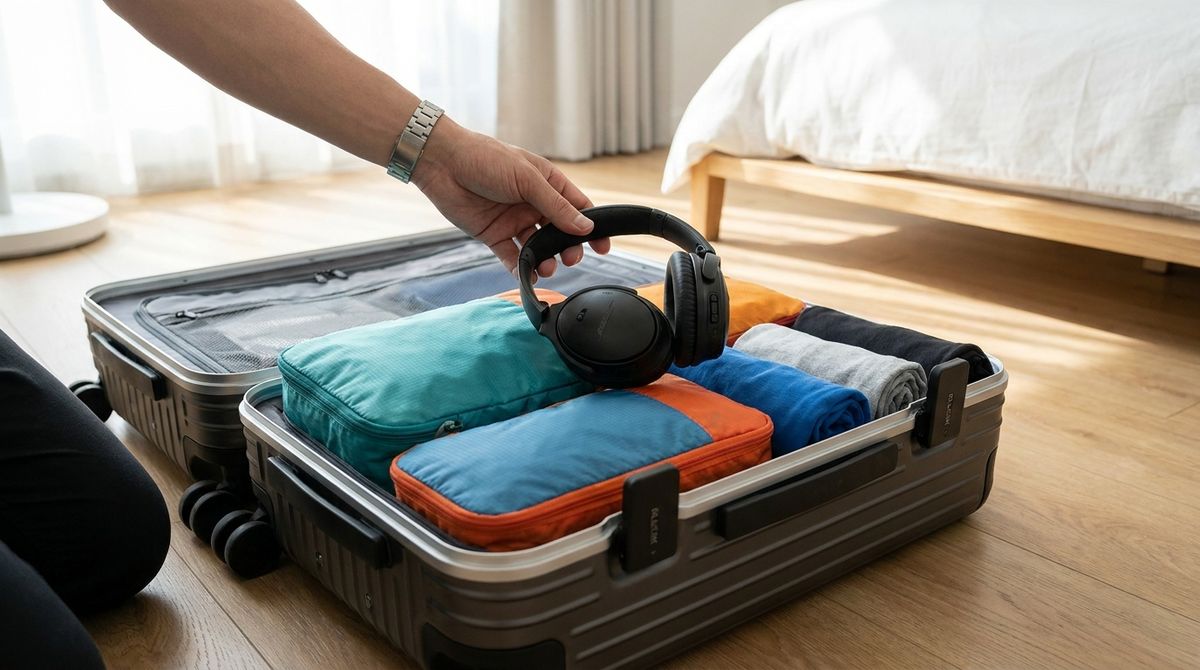
Begin by choosing products that are light, flat and sturdy. Jewelry, stickers, printed cards and folded textiles all travel well. Avoid breakable items unless each piece can be wrapped securely. Readers may also want to visit Carolina Articles. Count the number of units you can carry without exceeding airline or transport limits. Keep a spare set of stock in your main luggage in case a sale goes better than expected. A focused product range keeps the suitcase manageable and the stall easy to restock. Test the products at home to check how well they hold up in a bag during a bumpy journey. Pack the heaviest items at the bottom of the case so the bag stays balanced. Choose a color palette that looks cohesive when laid out together on a table.
Foldable Displays and Tabletop Stands
A foldable display can turn almost any table into a stall. Choose lightweight panels, a folding table cloth and a set of clear stands. You can also visit Bebegogo.com for more reading. Use magnetic or clip fittings so the stand packs flat. Bring a small cloth to protect the table and keep the setup tidy. Pack the display last so it sits on top and is easy to reach at the venue. A compact setup helps the stall look professional from the first moment. Practice setting up the display in a living room before the first market, so the process feels familiar. Keep a spare tablecloth in a plastic sleeve so it stays clean and creased-free. Carry a level or a simple shelf tool if the table tilts easily.
Accepting Digital Payments on the Road
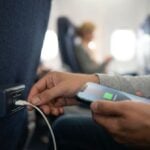
Some customers prefer to pay with cards, phone wallets or digital currency. Choose one payment method that you can explain clearly, and check local rules before accepting any type of payment. Keep the charging cable for your reader in a pocket, and carry a backup power bank. For a related read on this site, see Steering a Food Tour Back on Course After. Post a clear sign showing which payments are accepted. Keep a record of each sale so you can reconcile accounts later. Print a short instruction card for customers who are not familiar with the payment method. Keep the payment device charged overnight so it is ready at opening time.
Keeping Receipts Organized While Moving
A traveling seller collects receipts quickly. Store them in a labeled zip pouch, separated by venue or date. Photograph each receipt on your phone as a backup, and save the images in a cloud folder. Keep fuel, parking and accommodation receipts in a separate envelope for expenses. Review the pouch each evening so nothing is lost on the road. Organized records make the end of the trip far easier. Scan each paper receipt into the same folder as the photo so both copies sit together. Note the currency and exchange details beside each sale whenever money changes hands abroad. Set aside a fixed weekly time to review receipts, even if you are still traveling.
Local Permits and Market Rules to Check
Every market and fair has its own rules about stall size, insurance and permitted goods. Contact the organizer before the event and ask for the written rules. Check whether a trading permit or local registration is needed in each place you visit. Ask about the power supply, table size and opening hours. Keep copies of any permits in your bag and on your phone. Careful checks prevent surprises on the day. Arrive early to set up, since the best spots usually go first. Ask fellow stallholders for their advice on the best pitches and any rules to watch for. Keep an emergency contact list in your bag in case something goes wrong at the venue. Save the venue manager’s number in your phone before the event.
Light Gear, Clear Plans, Steady Sales
A carry-on suitcase can hold a complete stall when the products are light and the plan is clear. Choose items that pack well, use foldable displays, set up a simple payment method, keep records tidy and confirm local rules. Each market becomes easier with practice. Keep a note of what sold well at each stop, and use it to plan the next trip. Pack a small notebook for customer feedback, which often reveals new product ideas.