






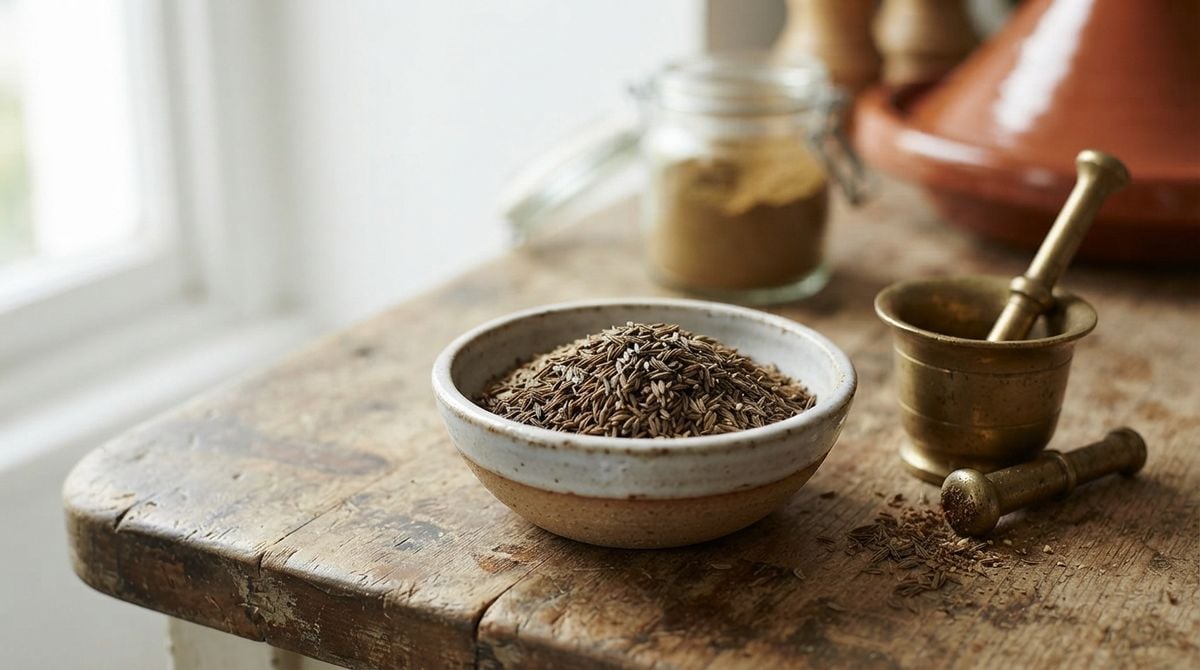
Many people return from a trip with a notebook full of recipes and a head full of flavors they want to repeat at home. The first attempt often goes well, but the dishes tend to fade from the rota once ordinary life returns. Keeping them alive takes a few simple routines that connect the memory of a meal to a regular place in the week. This article shows how to build those routines so the best ideas from travel stay on the table.
The approach has four parts. A weekly rotation brings one or two travel dishes into the plan, a monthly pantry check keeps the spices and staples ready, a yearly review sorts the recipe archive, and a set of warning signs shows when the collection has stopped being used. Each part can be run in a few minutes, and none of them depends on owning specialist equipment. Start with the parts that feel easiest and add the rest over time.
Weekly Cooking Rotation From Trip Notes
Choose one travel dish each week and place it on the plan before the shopping list is written. Pick a recipe that uses ingredients you can find locally and that suits the time you have on that day. Write the recipe on a single card or page so you are not searching through notes while the pan is hot. Keep the card in the same spot each time, so the process becomes familiar.
After cooking, note what worked and what needs a change. Record the amount of salt, the cooking time and the swaps you made for missing ingredients. Readers may also want to visit High99.biz. Small adjustments written down today will save guesswork when the dish returns next month.
Monthly Pantry Restocking for Staples and Spices
Once a month, check the spice rack and the staples shelf for anything that has run low. Look at the dates on dried herbs, flours and oils, and replace anything that smells stale or has lost its color. You can also visit tourisme-turc.com for more reading. Keep a shared list on the fridge so each person in the household can add items as they run out.
Plan the next month’s shopping around the travel dishes you intend to cook. Buy the less common spices in small quantities first, so you can see whether you use them before committing to a large jar. Store dried goods away from heat and light, and label each container with the month it was bought. Clear labels make it easy to rotate stock and avoid buying a third bottle of something you already own.
Yearly Review of the Recipe Archive
Each year, go through the full recipe collection and decide what to keep, change or retire. Group recipes by season and by the trip that inspired them, so you can see which places have contributed the most to your kitchen. For a related read on this site, see Keeping Travel Business Records Orderly When Clients Pay. Keep the archive in one format that you can search easily.
Use the same review to test one or two new dishes from a place you plan to revisit. Invite a friend to taste the result and ask for honest comments, since a second opinion often reveals a missing seasoning. Replace any recipe that nobody has cooked in a year unless it holds a memory you want to keep. A smaller, well used archive is far more valuable than a large one that gathers dust.
Signs a Recipe Collection Is Going Unused
Some signs show that a collection has stopped working for you. The recipe cards may stay in the drawer while takeaway menus stay on the fridge, or the same two dishes may appear every week with the travel recipes left untouched. Shopping lists may lack the spices you once bought regularly, and the notebook may show long gaps between entries. Notice these patterns without guilt, because they usually point to a system that is too hard to use rather than a lack of interest.
Other signals appear in the kitchen itself. Ingredients may expire in the cupboard because nobody remembers they are there, or a favorite dish may be cooked from memory with no reference to the notes. If the same complaint comes up twice, such as a recipe that takes too long on a weeknight, treat it as a clue to simplify the card. A collection that fits your evenings is one that stays in use.
Keeping the Cooking Joy Alive
A travel kitchen habit lasts when it stays small enough to fit around an ordinary week. Keep the weekly rotation, the monthly pantry check and the yearly review simple, and let go of any step that starts to feel like a chore. Store the cards where you cook and write the routine down once so it does not depend on memory. The meals that matter most are rarely the most complicated ones. They are the dishes you return to because they remind you of a place and still taste good at home.