






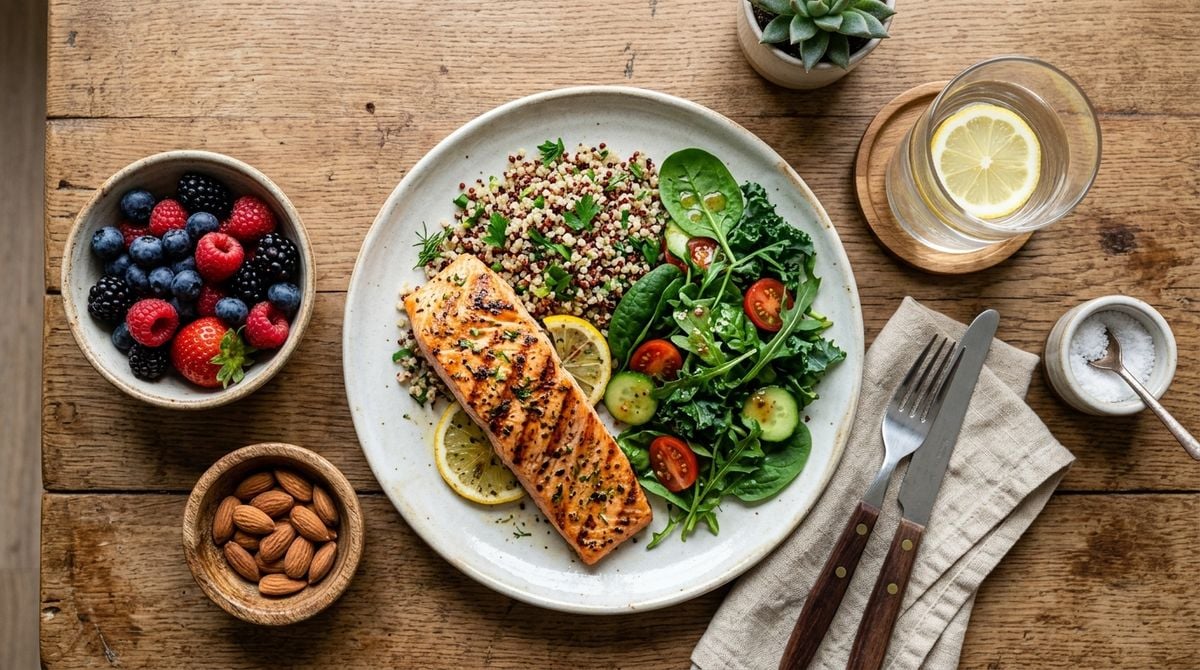
Eating in an unfamiliar city can be one of the best parts of a trip, but only when the arrangements are clear. A short, polite request sent ahead of time helps a restaurant prepare the right table, the right menu and the right timing. Language barriers and different customs make plain wording even more important. The sections below show how to write those requests, confirm them and thank the staff afterward.
Stating the Party Size First
Begin every dining request with the number of people in your party and the time you would like to eat. Restaurants often manage tables by size, so this detail decides whether they can say yes quickly. Mention whether the group includes children or guests with mobility needs. A clear first line helps the host respond without searching for missing information.
Readers may also want to visit Joomdactor.com. These phrases are often printed in the local language with an English translation beside them. Choose one short sentence that fits your plan and use it consistently. A polite, direct request is usually easier for a busy host to read.
Explaining Food Needs Briefly
If someone in your group has an allergy or a strict diet, say so in one clear sentence. Name the ingredient or food type to avoid, and state whether the issue is preference or necessity. Avoid long explanations, because a short message is easier to translate and easier to act on. Many restaurants will confirm whether a dish can be adjusted before you arrive.
You can also visit bikramyogales.com for more reading. You can show the card at the table or send a photo ahead of time. Keep the wording calm and factual. Good information from the start prevents disappointment on the night.
Agreeing on a Table Time
Ask for a table time that fits your plans, and mention a backup window in case the first choice is full. For a related read on this site, see Travel Partner Agreements About Digital Coin Payments. Confirm the expected length of the meal so the restaurant can plan its next seating. If you need a quiet corner or an outdoor seat, ask for it in the same note. A simple reply that confirms the time protects both sides.
Some restaurants send confirmations by message, while others only respond by phone. Check the reply carefully and save it on your phone or in a notes app. If the restaurant cannot offer your time, accept a nearby alternative graciously. Flexibility usually leads to a warmer welcome when you arrive.
Confirming the Booking on Arrival
Arrive a few minutes early and give your name clearly at the entrance. Show the confirmation message if the staff asks for it, even if they seem to know the booking already. Ask whether the table is ready or whether you will need to wait nearby. A quick, calm check-in sets the tone for the whole meal.
If the restaurant changes your table, ask politely for the reason and thank them for the update. Staff members often know the layout better than any map, so their guidance is worth following. Keep the conversation short if the room is busy. Patience at the door builds goodwill for the rest of your stay.
Asking About Local Menus
Local menus can include dishes that are unfamiliar, so ask the server to explain the main ingredients. Request a recommendation if you want a regional specialty, and mention your general taste preferences. Short questions are welcome in most restaurants, even when the service is fast. Clear questions help you enjoy the meal without guessing what is on the plate.
When the menu is only in the local language, ask whether a translated version exists. Many places keep a simple English list at the bar or near the entrance. Take a photo of the menu for later review if the restaurant allows it. Notes like these make ordering easier on the next visit.
Thanking the Staff Warmly
A sincere thank-you at the end of the meal leaves a lasting impression. Say thank you in the local language if you know a word or two, then add an English phrase for clarity. Mention one dish or one detail you enjoyed, which shows that you noticed the care that went into the food. Keep the message brief and warm.
If you want to send a written note after the trip, a short email or review comment works well. Describe your visit in plain words and include the name of the server if you remember it. Store the note with your travel records. Positive feedback helps good restaurants keep their standards high.
Small Notes Make Meals Better
Dining abroad feels relaxed when the requests are clear, the confirmations are saved and the thanks are sincere. Each short message you send helps the restaurant prepare and helps you enjoy the meal without worry. Write with the reader in mind, keep the details simple and check the plan before you leave the hotel. Small, careful notes often make the biggest difference to a memorable evening.