




A family picnic on a trip can be the most memorable meal of the holiday, or the most stressful. Someone has to plan the menu, someone has to shop at the local market, and someone has to remember the cooler, the napkins and the bottle opener. Travelers who share a rented house or a campsite often fall into patterns that leave one person exhausted. This guide explains how a family can divide food tasks on the road so that everyone eats well and nobody spends the afternoon doing dishes alone.
Planning the Menu Around the Route
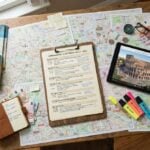
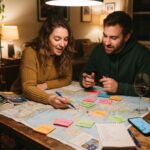
Start with the route rather than the recipes. Look at where the group will stop, how long the drive lasts and whether shops will be open along the way. A menu built around foods that travel well, such as sandwiches, sturdy fruit and cheese, reduces the risk of spoiled ingredients. Ask each family member to name one dish they would enjoy, then narrow the list to what fits in the cooler. Mixing one familiar favorite with one new dish keeps children willing to try the rest of the menu.
Readers may also want to visit worldaroundu.com. Keep the plan on a single card, with the time each item should be eaten. A simple plan prevents the common problem of two people buying the same bread while nobody buys the cheese. Share the card with every family member before the first shop, and invite changes early.
Shopping at Local Markets Together
Markets are a wonderful way to taste regional produce, yet they can also cause confusion when the group splits up. Give each person a clear shopping list and a budget limit. One person can handle bread and drinks, another can choose fruit and vegetables, and a third can find something local to surprise everyone. Agree on a meeting point and time so nobody wanders off with the wallet. Keep a little spare cash with the person who manages the group bag.
Language barriers and unfamiliar units can slow a purchase. Take a photo of the list, and ask vendors to point to what they have rather than guessing. Keeping one shared bag for everything bought by the group makes it easy to see what has been collected and what still needs finding. You can also visit Santorini-Resort for more reading. Count the bags at the end of each stop so nothing is left on a bench.
Cooking Without Crowding the Kitchen
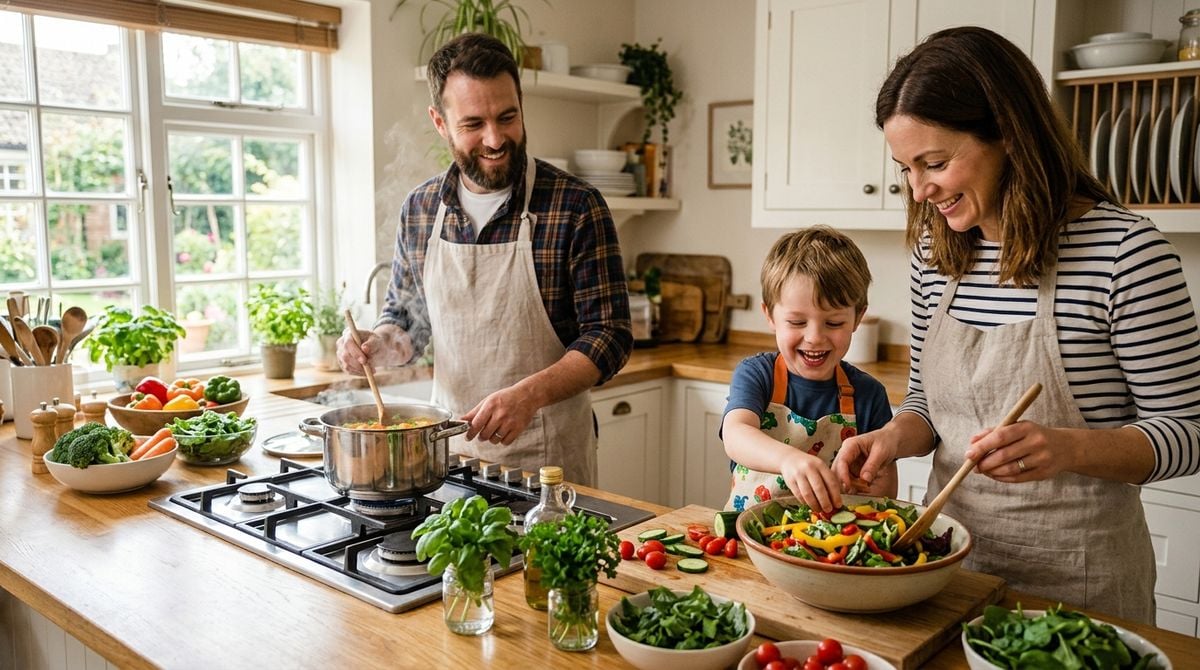
Small rental kitchens rarely fit more than two cooks at once. Assign one person to assemble the main dish, one to prepare sides and one to keep the area clean. Each role should have a clear start and finish so the kitchen does not turn into a queue. A fixed time for each step keeps the meal on schedule without anyone shouting from the hallway. Asking a younger family member to wash produce or lay out plates gives them a useful job and keeps them included.
For a related read on this site, see Splitting Expense Duties on a Team Trip Where. Reading one before the trip helps the group plan a safe menu. This article offers general information only, so anyone with a medical condition or an allergy should plan with the relevant guidance in mind.
Cleaning Up as a Team
Cleanup is the job everyone forgets until the dishes pile up. Agree before the meal who washes, who dries and who packs the leftovers. A rota for the trip, posted on the fridge, makes the arrangement visible. Rotate the washing job each day so that nobody feels stuck at the sink while others relax on the sofa. Put the rota near the sink so the next person can see whose turn it is.
Leave the shared space tidy for the next guests. Wipe surfaces, take out the rubbish and check the cooler for drips before packing the car. Small habits like these prevent the last morning from becoming a rushed argument over who left the grill dirty.
Making Picnic Days Enjoyable
A good picnic is more than food. Choose a spot with shade, plan a short walk afterward and leave time for the children to play. Let the group talk about what worked best, which dishes disappeared quickly and which ones came home untouched. These conversations shape the next outing and help families learn what each person enjoys. Keep a short note of favorite places, so the next trip starts with a head start.
Family trips usually improve when everyone feels heard. Share the planning credit as well as the washing up, and thank people in front of the group. A picnic that the whole family built together tends to be remembered long after the leftovers have gone. Take a photo of the table before packing up, since it becomes a memory for the next trip.
Packing Up for the Next Stop
Clear the cooler, sort the rubbish and note what to buy again before the next stop. The team that prepared the picnic together will find the next one even easier to plan.