



Food is often the most memorable part of a trip, and it is also the part that travelers most often get wrong. A hungry visitor may choose the first restaurant with a bright sign, order too much or miss the local dish that made the destination famous. Frequent travelers say these small decisions shape the mood of the entire journey. The notes below reflect general patterns that people who eat their way through many countries describe, and they are meant to make meals more relaxed rather than more rigid.
Local guides add another layer of insight. Many of them describe visitors who arrive with fixed ideas about what they should eat and then feel frustrated when the reality is different. Their advice tends to be practical and warm. They encourage curiosity, patience and a willingness to ask questions. Those habits open doors to meals that feel authentic, affordable and enjoyable.
Reading Menus Before Hunger Arrives
Many travelers discover a menu at the exact moment they are most hungry, which is the worst time to make a careful decision. Experienced visitors often suggest looking at the menu before sitting down, especially in places where the language or layout feels unfamiliar. A quick scan can reveal which dishes are popular, how portions are sized and whether the restaurant offers shared plates. Travelers who prepare a few phrases for ordering often enjoy the meal more, since they feel less rushed. Readers may also want to visit columnews.com.
Frequent travelers also learn that a long menu is not always a good sign. A short list built around a few dishes can signal that the kitchen has a clear focus. Guides frequently point out that the best places often serve one or two specialties very well. Asking the server what is freshest that day is a respectful way to find those specialties. Visitors who approach menus with patience usually discover better meals than they expected.
Markets Versus Restaurants
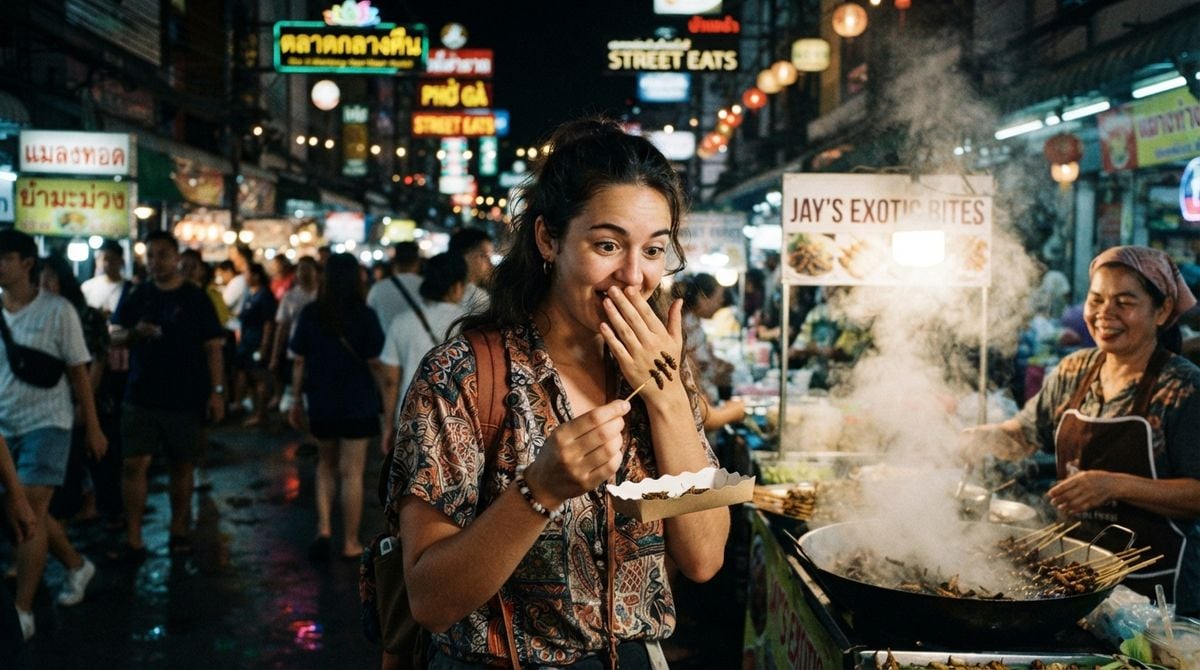
Street markets and sit-down restaurants offer different experiences, and veterans often wish they had balanced the two more thoughtfully. Markets provide variety, lively conversation and the chance to taste several small items in one visit. Restaurants offer a slower pace and a fuller meal. Many seasoned travelers recommend trying both during a single trip, starting with a market to sample the local range before settling into a long dinner.
Guides also mention practical details that visitors overlook. Busy stalls often have the freshest turnover, while quiet counters may serve food that has been waiting too long. You can also visit Itsnews.net for more reading. Reading those notes before a visit can prevent awkward moments at the counter.
Food Safety Habits on the Road
Food safety is a topic that frequent travelers take seriously, although they rarely talk about it openly. Veterans often suggest choosing places with steady customers, visible cooking and clean preparation areas. They also recommend drinking bottled or filtered water where local advice says tap water is not suitable. These are general habits rather than medical guidance, and anyone with a health condition should seek advice from a qualified professional before traveling.
Experienced visitors also keep a small kit with basic supplies, such as hand sanitizer and tissues. Many say they wish they had learned about these habits earlier, because a single stomach upset can change the rest of a trip. Some travelers also wait a day before trying a very unfamiliar dish, which allows the body time to adjust. Calm, sensible choices usually allow a traveler to enjoy the food without constant worry. For a related read on this site, see Cash, Cards and Digital Payments on Business Trips.
Dietary Needs and Clear Communication
Travelers with allergies, religious requirements or strict diets often face the greatest challenges. Veterans who manage those needs advise learning how to explain them clearly in the local language, ideally with a short written card. They also suggest asking about hidden ingredients, such as stock, oil or sauces, rather than assuming a dish is safe. Clear communication protects health and builds trust with the kitchen staff.
Frequent travelers often add that patience matters as much as vocabulary. A kitchen may be busy, and a server may need a moment to confirm details. Those who stay friendly and specific usually receive better help than those who rush. Similar techniques appear in many travel handbooks, which suggests that many people have found the same solutions through experience.
Savoring the Table Without Stress
The most consistent advice from frequent travelers is to relax at the table. Food can be a window into local life, and a meal shared slowly often becomes the best memory of the trip. Travelers who plan a few meals and leave room for spontaneity usually feel more satisfied than those who try to tick off every famous restaurant. A relaxed attitude also makes it easier to ask questions and try something new. Looking back, many travelers say they wish they had worried less about perfection. A slightly imperfect meal can still be wonderful, especially when it is shared with new friends or a helpful local host. The lessons here are simple: read the menu early, balance markets with restaurants, respect food safety, communicate clearly and enjoy the table.