




Travel can be one of the best ways to discover new flavors, from market snacks to family-run kitchens tucked into quiet side streets. The challenge is to enjoy that food without carrying a heavy load or relying on unfamiliar utensils and questionable water. A small travel kit solves most of these problems and makes it easier to say yes to a local dish when the opportunity appears. The items that matter most are simple, inexpensive and easy to repack at the end of each day.
This article offers general information on eating well while away from home. It does not provide medical advice, and anyone with allergies or dietary conditions should check guidance with a qualified professional before trying unfamiliar dishes. The sections below cover menus, storage, basic hygiene and the gadgets that are worth carrying. Use them as a starting point and adapt the list to the places you plan to visit and the meals you enjoy most.
A Pocket Guide to Reading Local Menus
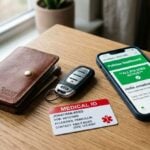
Menus in a foreign city can be confusing, so a short reference list of common dish names and ingredients is a useful item to pack. Write the words for your main allergies and preferences on a card, and keep it in a wallet or phone case where it is easy to show a server. A small translation app or an offline phone dictionary can help with unfamiliar terms, although it should be downloaded before the trip. Readers may also want to visit shaftdeals.com. Ask staff to describe a dish in simple terms if the menu leaves you unsure, because most restaurant teams are glad to help. Pointing at what neighboring tables are eating is another polite way to choose, and it often leads to a happy surprise.
Snack Containers and Cooler Bags
A set of lightweight food containers lets you carry fruit, nuts or a sandwich from a morning market to a long afternoon of sightseeing. Choose containers with tight seals that will not leak in a bag, and pack them with a paper towel to absorb moisture. A small insulated cooler bag keeps dairy and cut produce cool during a short journey, although it is not a substitute for a full refrigerator. You can also visit Product Items for more reading. Wash and dry each container at the end of the day so that odors do not build up in the bag. A small box of baking soda tucked in a side pocket helps keep the whole bag fresh between trips.
Simple Tools for Street Food Safety
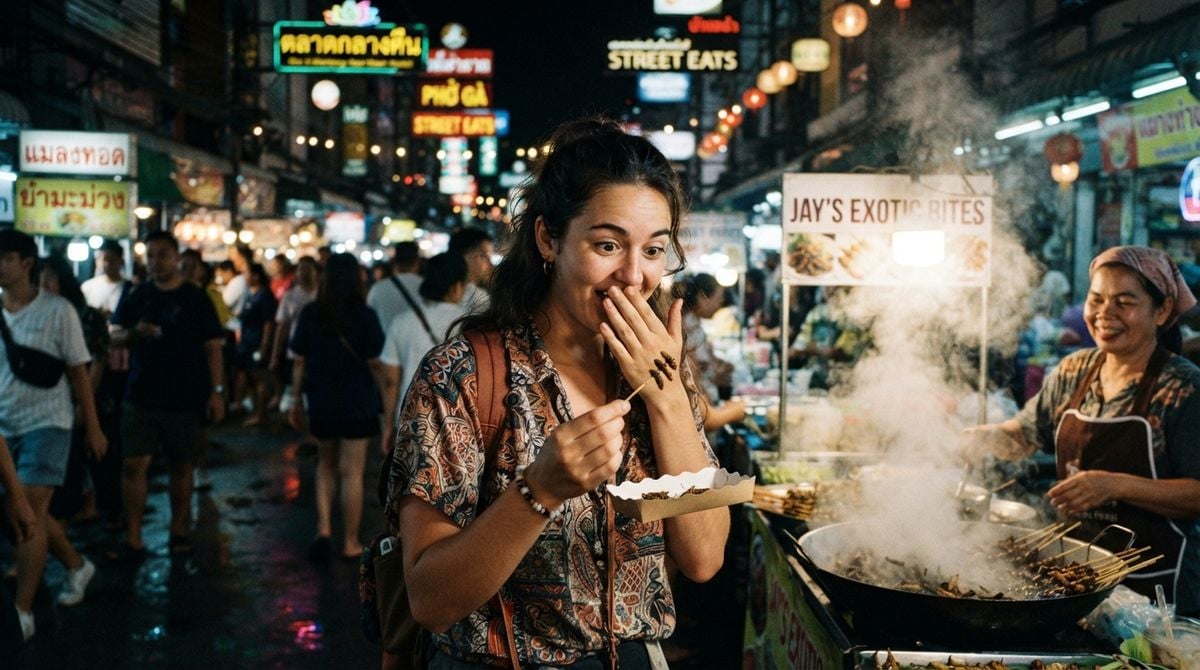
Street food can be a highlight of a trip, and a few simple tools make it easier to enjoy with care. Pack a small bottle of hand sanitizer, a packet of wet wipes and a pair of disposable gloves for messy foods. Carry a clean cloth napkin in case the stall has no tissues, and wipe down a table before setting out a meal. Bottled water with a sealed cap is a common choice for drinking, and it is often wise to check local advice on tap water. Look for stalls with steady queues and visible cooking, since busy vendors usually turn over stock quickly. For a related read on this site, see Cash and Card Organizers for Owners Working Abroad.
Reusable Utensils and Napkins
A compact set of reusable utensils saves money and reduces waste while you explore new markets and picnic spots. Choose a light metal or bamboo set that fits in a small pouch and can be washed in a hostel sink. Cloth napkins take up little space and double as a cleaning cloth or a tray liner on a train. A folding bowl or a collapsible cup can handle soup, noodles or a scoop of fresh fruit without requiring a visit to a shop. Keep these pieces together in the same pocket so they are never forgotten at a bench or a stall. Carrying them in a clearly marked pouch also makes it easy to find a spoon in a hurry.
Fancy Gadgets and Gourmet Gear to Skip
Some items look appealing in a shop but add little to a food-focused trip. Expensive portable grills and heavy cast iron pans are rarely practical when you are staying in a hotel room with limited space. Specialty knives and mandolines take up room and can be risky to pack, especially for long journeys through airports. Large spice tins and multiple sauce bottles spill easily and are often available locally at a fraction of the cost. Leave these items at home and spend the saved space on a few more market visits. A lighter bag makes it far easier to hop on a train, climb a hill or wander through a crowded night market.
Eat Adventurously With a Light Kit
Begin with a menu card, a few sturdy containers, a basic hygiene pouch and a set of reusable utensils. Add anything else only when a real need appears on the road. A light kit leaves room for the best part of travel, which is trying something new and sharing a meal with people who know the place well.