






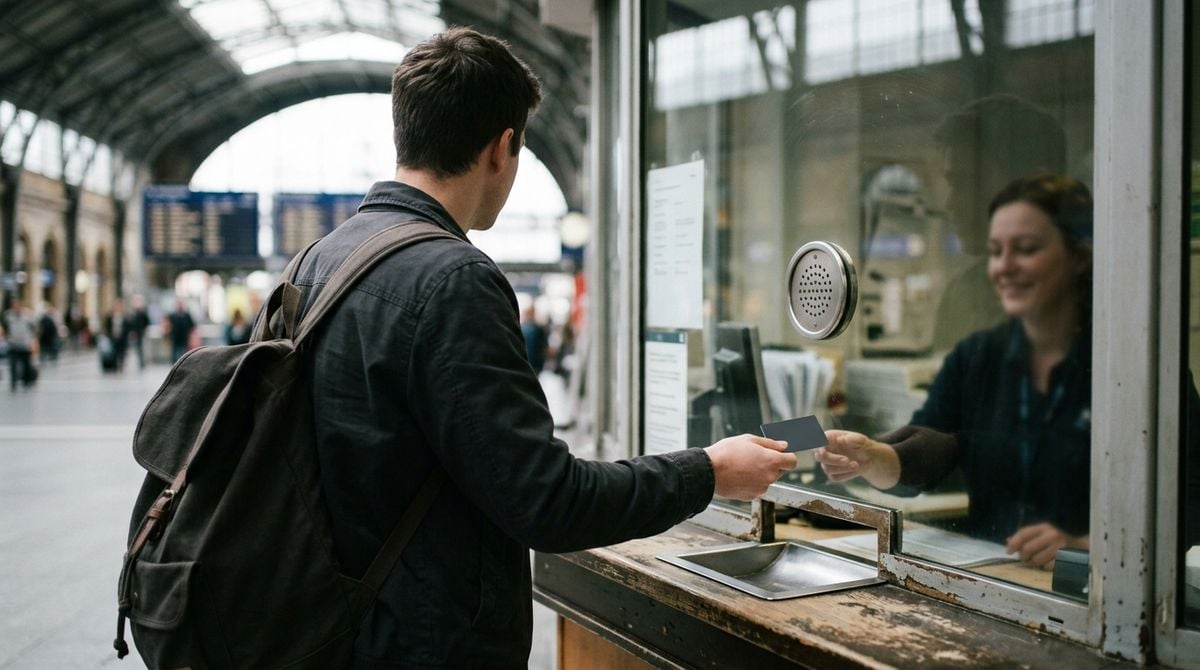
Dev and his sister Anya had planned a long train journey through a mountain region, with a single change of trains and most of a day spent on the rails. Their guidebook promised scenic stops, but it said very little about food. They had packed snacks for the first hour, and then they realized they would need a proper lunch somewhere along the route.
The solution turned out to be a short visit to a local market near the station. Dev and Anya spent a quiet half hour there, buying bread, cheese, fruit, and a few cured meats. The picnic they carried onto the train was better than any sandwich they could have bought from a kiosk, and the process taught them several useful habits for eating well on the move.
Reading the Labels Before Buying
The first challenge was the language. Dev had studied a few food words before leaving home, but the labels on the jars and packets were unfamiliar. He took photos of the packaging so he could look up the unfamiliar terms later. Anya noticed that most packaged goods listed their ingredients in a small block near the barcode, which made comparisons easier.
They also learned to read the weight and storage instructions. A soft cheese needed to stay cool, while a hard cheese could travel well for hours. Readers may also want to visit tvn24.
Choosing Items That Travel Well
Anya made a short list before entering the market. It included bread with a firm crust, hard cheese, tomatoes that were ripe but not soft, and a few apples with thick skins. She avoided anything that needed a fridge or that might leak in a bag. Her list kept the shopping quick and stopped them from buying too much.
They chose a small wedge of cheese instead of a large block, because a smaller piece would not spoil before the journey ended. The shopkeeper was patient and pointed to a soft loaf that stayed fresh longer than the crusty one Dev had first picked. You can also visit Acra-Online for more reading.
Packing the Picnic So It Survives the Journey
For a related read on this site, see Handling Money on a Group Tour Without Surprises. They carried everything in a single cloth bag with a sturdy handle, along with a reusable container for the fruit. Anya wrapped the cheese in paper and placed it on top, away from the bread. The bread went in a separate bag to avoid crushing. This simple arrangement kept the food intact across several hours of movement.
They also carried a small bottle of water and a folded napkin. Those extras cost almost nothing, yet they made the lunch feel complete when the train stopped at a windy platform. A small knife for cutting the cheese and the fruit completed the set.
Eating Respectfully in Public Spaces
On the train, Dev noticed that other passengers ate quietly and kept their food packed away when it was not in use. He followed that example and kept crumbs and wrappers in one bag. Anya offered a piece of fruit to a child across the aisle, and the child’s parent smiled and thanked them both.
The small courtesies made the trip feel friendly. Eating a simple lunch with care for the people around you is one of the easiest ways to show respect when traveling. It also keeps the carriage clean, which helps everyone enjoy the view.
Lessons for the Next Picnic Abroad
Dev and Anya’s picnic showed them that a short market visit can be one of the most memorable parts of a trip. They learned to read labels carefully, to buy in small quantities, and to pack the food so that each item stayed in good condition. None of these steps required special skills, only a little planning and curiosity.
Their advice is to ask a shopkeeper for a suggestion. Most sellers enjoy explaining their products, and a short conversation often reveals a better choice than any guidebook list. A simple question can turn a routine errand into a small adventure.
Dev and Anya also learned to ask for a bag of ice when they bought chilled items, since many stall owners keep a small cooler ready. The ice kept the soft cheese fresh for the rest of the afternoon. They thanked the vendor with a few words of the local language, which earned them a warm smile and a free piece of fruit.
Back on the train, they laid their picnic out on a folded map and ate slowly while the hills passed by. The meal stretched across most of the afternoon, and neither of them minded the slow pace. Dev said later that the lunch had felt more like a memory than a meal, which seemed exactly right for the journey.
Making Market Lunches a Regular Habit
Back home, Dev now visits a local food market once a week and keeps a notebook of new words and favorite combinations. Anya uses the same packing method for day trips to the park. Both agree that the habit makes ordinary meals feel more connected to the places they visit.