






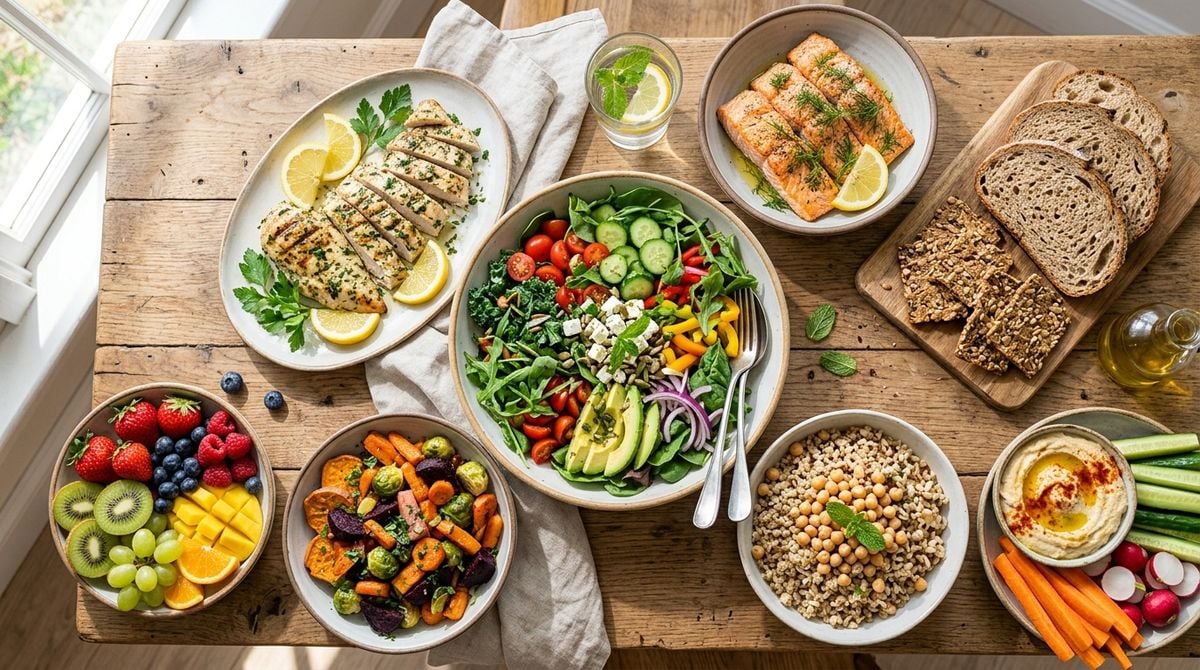
Local food can be one of the most rewarding parts of any trip, yet it can also feel confusing when menus change language or customs. A few simple habits help you order with confidence and enjoy each meal without worry. The guidance below is general and based on common practice in busy eating places. Each section adds one useful habit to your travel routine. Most travelers find that a little preparation turns the meal into the highlight of the day.
Learn a Few Key Words
Learn a handful of words for greetings, thank you and asking for the bill before you leave home. Basic phrases open the door to friendly service and show respect for the local language. Write the words on a card or save them in a note on your phone. Practicing them on the way to the airport makes them much easier to use. Locals usually appreciate the effort even when your pronunciation is imperfect.
Readers may also want to visit 3aam.com. Knowing the words for rice, bread, fish or noodles can prevent surprises at the table. Pay attention to how locals place their orders, since the routine often reveals useful patterns. Observation is a quiet but powerful way to learn. Take a photo of a menu you like so you can recognize the dish later.
Read the Room Before You Sit
Busy stalls and small restaurants often have a rhythm that is easy to follow once you notice it. Look for places where locals line up, since a steady crowd usually signals fresh food and quick turnover. Ask about the house specialty if the menu feels unfamiliar. You can also visit blog-buster.net for more reading. Avoid choosing a table only because it has the best view, since the food usually matters more.
Pay attention to the way plates arrive, whether they are shared, individual or served in courses. Ordering too much at once is an easy mistake when everything looks appealing. Start with one dish and add more after you taste it. A relaxed pace turns the meal into an experience rather than a test. Ask the server for a recommendation if you feel uncertain about portion sizes.
Handle Payment and Tipping
Payment customs vary widely, so check how the restaurant expects to be paid before the meal ends. Some places prefer cash, while others accept cards with a small surcharge. Keep small notes and coins ready for markets and street vendors. For a related read on this site, see A Lean Trip Expense Log When Some Bills. Ask staff politely if you are unsure which methods they accept.
Tipping norms also differ, so observe what others leave or ask a trusted host. Carry a basic daily food budget so you can enjoy each meal without counting every coin. Keep receipts in a small pouch until you return home. Organized money habits protect your budget and reduce awkward moments at the register. Ask for the bill in good time so the staff can process payment without rushing you.
Take a few minutes to read the menu descriptions before the server arrives, so you are ready when they ask. Ask whether a dish is spicy, sweet or served cold if the description does not say. Thank the staff when you leave, since a brief kind word goes a long way. Friendly exchanges like these often lead to a warmer welcome on your next visit. Keep a short list of dishes you enjoyed so future orders feel easier.
Respect Dietary Needs
If you avoid certain ingredients, prepare a short written note in the local language. Explain the restriction clearly and keep the wording simple so the kitchen can understand it. Confirm each dish before it reaches the table, especially sauces, broths and fried items. Clear communication helps everyone feel comfortable and reduces wasted food. Keep the note in your phone so you can show it at any restaurant.
Bring snacks for long transit days, when some restaurants close early or stop serving meals. Carry a reusable water bottle to stay hydrated while you explore. Plan one flexible meal each day rather than booking every table in advance. Flexibility keeps the trip relaxed and open to pleasant surprises. Ask your hotel for a list of nearby places that serve food late.
Save a map of the neighborhood on your phone so you can find food stops even without a steady connection. Mark a few reliable markets and bakeries as backup options for early mornings. Keep a small stash of nuts or fruit in your bag for stops between sights. Good planning keeps hunger from turning a pleasant outing into a rushed search for an open door. Check opening times at the start of each day, since hours often change with the season.
Savor the Table
Eating local food is about curiosity more than perfection. The habits in this guide help you order with confidence, but the best meals usually come from a willingness to try something new. Share a smile, ask one question and accept the recommendation of the cook when it feels right. Each small effort builds a memory that a menu alone can never provide. Take notes on your favorite dishes so you can recall them on the trip home.