






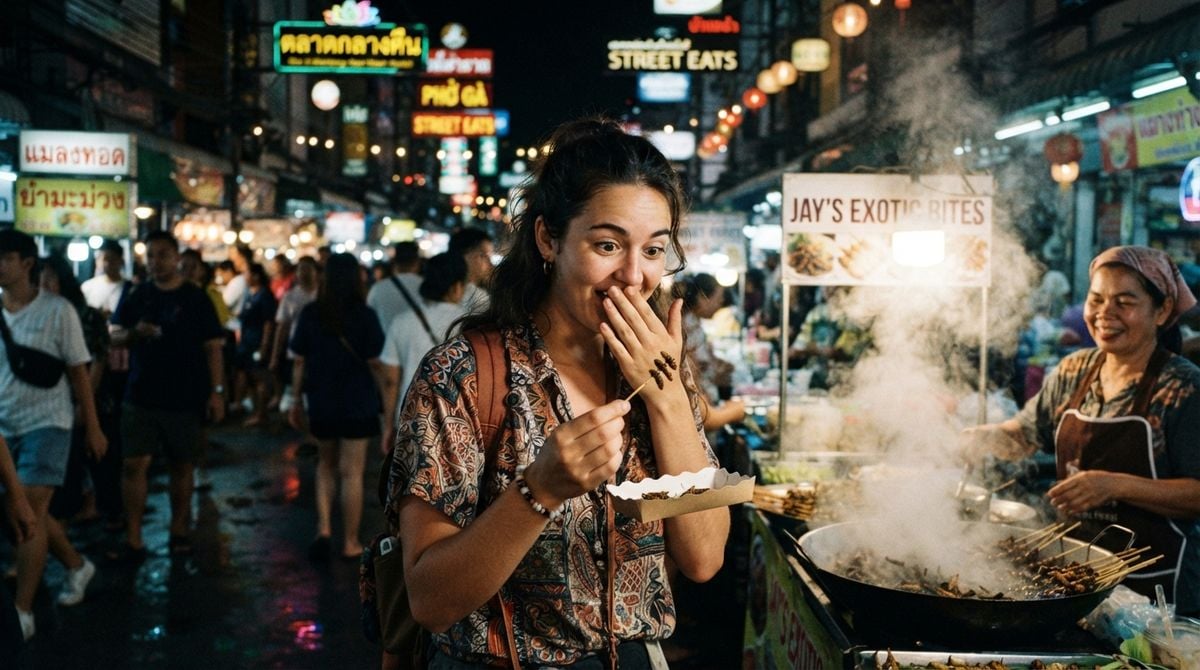
A memorable street food stall can become the highlight of a trip, but most travelers rely on luck to find another one. A better approach is to study what made that meal special and build a method for finding similar food in new places. This article explains how to capture the lessons from one great discovery and use them as a routine on every journey. The advice is practical and general, and it works in towns and cities alike.
Spotting What Made the Meal Special
Start by writing down what you ate, where you found it and why the stall stood out. Note the crowd, the cooking method, the smell from the street and the speed of service. Those details reveal the signs of good food that you can look for elsewhere. A quick note on your phone is enough to keep the lesson alive.
Think about the setting as well. A busy corner with a short queue, a clear menu and a steady flow of customers can say a lot about freshness. The surrounding neighborhood may also matter, since markets near offices or transit hubs often turn over ingredients quickly. Use those clues as a checklist for the next city you visit. Readers may also want to visit Revamphomegoods.com.
Mapping Food Stops Before You Leave
Before the trip, use a map to mark a few areas known for street food, then add two or three backup spots in each one. Store the locations in a shared note that the whole group can open on the go. Keep the list short enough to scan on the go. You can also visit lonestarborger.com for more reading.
Plan one food stop into each day rather than trying to fit everything into a single evening. A fixed time creates a pleasant break in sightseeing and keeps appetites in check. Leave some flexibility in case a queue is too long or a stall has closed for the day. A planned pause often leads to the best discoveries. Keep a paper map as a backup in case the phone battery runs low during a long afternoon.
Asking Locals for Dependable Tips
Ask hotel staff, shop owners or tour guides which vendors they eat from themselves. People who live nearby know which stalls have been serving the same dishes for a long time and which ones rely on tourists. Keep the question friendly and specific, such as asking for a dish that locals order most often. For a related read on this site, see A Client Intake Routine for Small Travel Businesses. Look at what locals are queuing for, since a long line often signals good food.
Write down the names of the dishes you hear recommended and check them against what appears on the stall. Language barriers can be bridged with a photo or a few simple words. Thank the vendor and keep your payment ready so that the transaction is quick. Good manners make it easier to return to the same place later. Practice one polite phrase before you reach the front of the queue, since a small effort is always welcome.
Eating Well on the Move
Street food is most enjoyable when you can eat it while it is hot and fresh. Carry a small pack of tissues and a reusable napkin for messy dishes. Stay hydrated with bottled water or a drink from a reputable seller. Choose meals that match the pace of the day, with lighter options around midday.
Balance indulgent snacks with simpler meals so that the trip stays enjoyable from morning to night. Share a few dishes with companions to try more flavors without overeating. Save room for the stall you found on the first day, because a second visit often tastes just as good. A relaxed pace helps every meal feel like part of the adventure.
Staying Safe With Hygiene and Timing
Choose stalls with a steady flow of customers, since high turnover usually means fresher ingredients. Look for food that is cooked to order rather than kept warm for long periods. Watch how the vendor handles money and food, and avoid stalls where the setup looks unclean. These habits lower the risk of an unpleasant surprise. Look for stalls where the cooking area is visible and the staff seem organized and unhurried.
Pay attention to your own body as well. If a dish feels unfamiliar, start with a small portion and see how you feel before ordering more. Carry basic medicine for upset stomachs in your bag, and speak with a pharmacist if you have concerns. Practical caution lets you enjoy adventurous food with more confidence. Share the notes with friends who are planning their own trips, so the best finds travel with you.
Carrying the Habit Into the Next Trip
A great street food find can shape the way you travel for a long time. Review your notes after each journey, and keep the best tips in a single list. Each new city then becomes easier to explore because you already know what to look for. The method turns a lucky meal into a dependable part of every plan. Keep the list of stalls in one shared note, and add one new name after each journey.