





Travel readers who road trip with family or friends often discover that mealtimes become the most tense part of the journey. One person plans the menu, another shops, a third cooks and everyone worries about the cleanup. Without a shared rhythm, the same few people end up carrying the kitchen duties for the whole trip. This article explains how to split food tasks fairly when the kitchen is a rented apartment, a campsite stove or a small cabin.
Planning Meals Around the Route
Start by mapping the route and noting where grocery stops are likely. Plan lunches that travel well, such as wraps or salads in sealed containers, and reserve cooked dinners for places with a proper kitchen. Keep a shared menu list on a phone so everyone can suggest ideas and see the plan. A route-based menu prevents the frantic search for food at the end of a long drive.
Readers may also want to visit Pedro Vaz Paulo. Choose three or four dishes that suit the group’s tastes and can be repeated. Repetition makes shopping faster and reduces waste. Choose ingredients that keep well and can be used in more than one dish. Everyone can then tell at a glance what is coming next. Keep the week’s plan on a card in the glove compartment so it stays visible on the road.
Dividing Shopping, Cooking and Cleanup
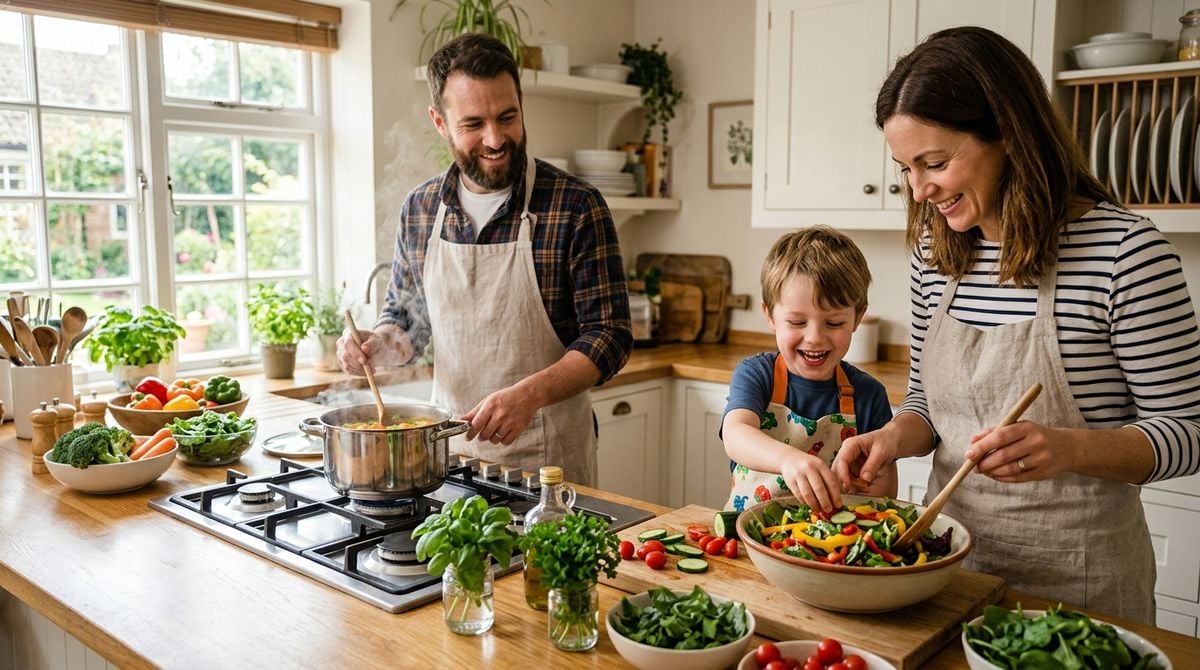
A fair kitchen rota separates three jobs: shopping, cooking and cleanup. Rotate the roles each day so that no one is stuck with the sink for the whole trip. People who enjoy chatting in the store can handle the shopping, while a confident cook can lead dinner. Write the rota on a card and keep it near the fridge.
You can also visit snm-education.com for more reading. Read the basics together before the first meal, then agree on the tools each person will clean. Clear expectations prevent arguments about dirty pans. Simple routines also make the kitchen feel safer and more relaxed. Keep a small basket for dirty utensils so the counter stays clear while cooking.
Budgeting Food Money Without Quarrels
Money is a frequent source of tension when one person pays for most of the groceries. Set a shared food budget before departure and decide how it will be split. Keep receipts in one envelope or one photo folder so the totals are easy to check. Settling up each evening avoids awkward reckoning at the end of the trip.
For a related read on this site, see Recording Costs on a Trip Team That Pays. Choose a method that everyone understands, and test it for the first two days. Adjust the method only when it creates confusion rather than clarity. Calm bookkeeping leaves more room for enjoying the meal. When everyone can see the totals, nobody has to wonder whether the group is paying fairly.
Handling Food Safety and Allergies Together
A group road trip often includes people with different diets, allergies or medical needs. Ask everyone to share their requirements before the first shop, and label anything that contains a key allergen. Keep a separate chopping board for anyone with a restriction. Clear communication protects the group and makes the meal planning more inclusive.
Store perishable items in a cooler with ice packs and check the temperature regularly. Assign one person to watch the cooler each day and to discard anything that looks doubtful. These simple habits keep the trip pleasant and prevent avoidable stomach trouble. When in doubt about a food, throw it out. A cooler with a working thermometer makes that decision less of a guess.
Keeping Kitchen Harmony Until the Last Mile
The final days of a trip can feel long, and fatigue often leads to shortcuts in the kitchen. Hold a brief meeting over breakfast to confirm who cooks and who cleans for the day ahead. Keep the meeting under five minutes so it does not feel like a chore in itself. Praise the person who handled a tricky meal, because small recognition goes a long way in a small space. Keep the mood light by playing a short game during cleanup. A quick round of music chosen by the cook can turn a dull task into a shared moment.
Once the trip ends, take a few minutes to note which recipes worked and which shopping stops were most efficient. Save those notes for the next adventure so the group does not reinvent the rota every time. Add a line about which campsite or rental kitchen had the best equipment, since that detail shapes the next menu. A shared kitchen can become one of the best memories of the journey.
Food on the road can bring a group closer when the work is shared openly and fairly. A route-based menu, a rotating rota, a clear budget and attention to dietary needs turn a busy kitchen into a calmer space. Begin by drafting the menu for your first overnight stop, then assign the shopping and cleanup roles before anyone is hungry. The journey will taste better when every person knows their part.