
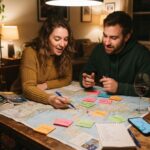





A food-focused trip can look perfect on a planning document and still go sideways once the traveler arrives. Opening hours change, a favorite stall closes early and the best dishes sell out before lunch. A few simple checks made during the journey reveal whether the plan is delivering, and they make it easier to adjust without losing the spirit of the trip.
The most useful signs are usually about pace, budget and satisfaction. Notice how many meals feel rushed, how much time goes on searching for places to eat and how often a dish surprises you in a good way. When those markers hold steady, the plan is doing its job. When they slip, it is time to change the route, the timing or the number of stops.
Pace and Meal Timing
Pace is the first sign to check. Plan one anchor meal each day and leave the rest of the schedule loose. Readers may also want to visit patbigoldmedia.org. If every day feels packed and meals arrive in a rush, the schedule has too many stops and needs trimming.
Watch the clock as well. Late lunches that push dinner past the usual hour can leave travelers hungry and tired, which makes every choice harder. Shift a visit earlier or swap a sit-down meal for a market snack when the day runs long. Small timing fixes usually matter more than adding another must-see place to the list.
Budget Drift Across the Week
Food budgets often drift upward without anyone noticing. Keep a running tally on your phone and review it at the end of each day rather than at the end of the trip. A quick comparison with the daily target shows whether the plan can absorb a special dinner or needs a lighter day afterward. The tally also reveals which kinds of meals give the best value for the money.
You can also visit tgdailynews.com for more reading. This pattern keeps the overall spend predictable while leaving room for a memorable splurge. Track whether the balance holds across the first few days, and adjust the next day’s plan before the gap grows. Early correction is much easier than a sharp cut later in the trip.
Satisfaction Signals at the Table
Satisfaction is harder to measure, but the signs are visible. Notice whether you talk about the food long after the meal, whether you return to a favorite place without planning to and whether a dish surprised you in a good way. For a related read on this site, see A Traveling Business Owner’s Simple Digital Payment Review.
Keep a short note for each memorable meal. Record the name, the setting and one detail that made it stand out. Over a week, those notes show which kinds of places suit you best. They also make the next trip easier to plan, because you can repeat what worked and skip what did not.
Knowing When to Change the Route
Change the route when the same warning sign appears two days in a row. If pace is off, drop a stop. If budget keeps drifting, swap a restaurant for a market. If satisfaction is low, rethink the neighborhood rather than the whole trip. Make one change at a time so you can see which adjustment made the difference.
Accept that some days will be quiet. A closed kitchen or a rainy afternoon does not mean the plan has failed. Use the slow hours to rest, walk and watch what locals eat. Good food travel rewards patience as much as planning, and a relaxed day often leads to the best discovery of the whole trip.
Share the plan with the people you travel with, and ask them to flag signs too. A companion may notice that a meal is too rushed or that a neighborhood feels tiring long before you do. Two sets of eyes make the review more balanced, and the conversation often leads to better choices than either traveler would have made alone. Agree in advance on how changes will be made, so a disagreement at a crowded table does not become a stand-off.
Build in a small reserve of time for chance finds. A plan with no slack has no room for the unexpected café or the market that appears by accident. Those surprises often become the most memorable parts of a trip, so leave enough space in the schedule for them to happen. A reserve of an hour or two each day is usually enough to keep the journey relaxed without leaving the plan without structure.
Ending the Journey Well
A food trip works best when the signs are checked calmly and adjusted gently. Pace, budget and satisfaction tell you what to change next, and the small notes you keep along the way become a useful guide for the next journey.