





Eating well on a long journey often comes down to a few simple decisions made before departure. Many travelers rely on whatever is available at the next station or airport, and the meals that result can be dull, expensive or hard to digest. A small, carefully chosen set of seasonings and staples can make a rented kitchen, a hostel shared kitchen or even a hotel microwave feel like a proper place to cook.
This article covers the preparation stage for travelers who want good food during a trip, whether they are staying in one place or moving every few days. It explains how to choose compact flavorings, pack them safely and plan meals around local markets. The guidance is general and practical, and it applies to a wide range of cuisines and budgets.
Selecting Compact Seasonings and Staples
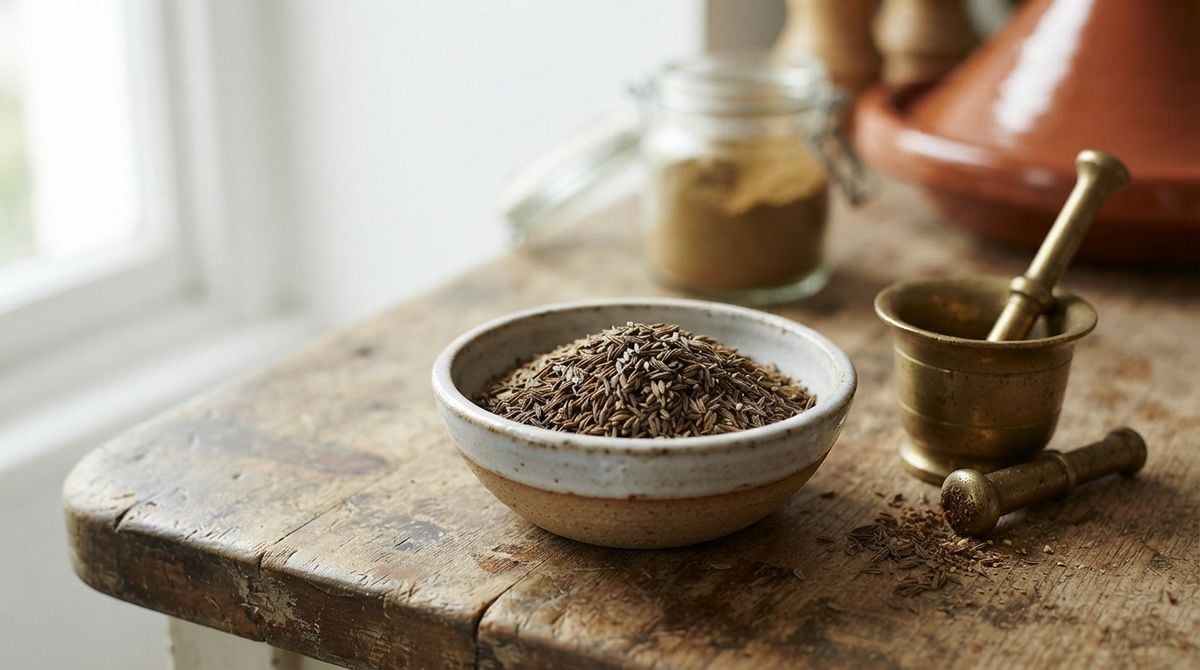
Start with the flavors you use most at home. Salt, black pepper, a dried herb blend, a citrus zest sachet and a small bottle of cooking oil cover many simple dishes. Add one or two spices that define your favorite cooking style, but keep each one in a small container rather than a full jar. Dry goods that pack lightly, such as rice, lentils or instant oats, can fill gaps when fresh food is hard to find.
Check the rules for carrying food and liquids on any transport route before you pack. Some regions limit fresh produce, meat or certain sauces, and dry seasonings usually cause fewer problems. Readers may also want to visit fairy-clean-out.com.
Containers, Labels and Safe Storage
Choose small, leakproof containers that stack well and close tightly. Screw-top jars with a plastic lining work well for powders, while a zip bag with the air pressed out suits herbs and dried vegetables. Label every container with its contents and the date it was filled, using a waterproof marker or a strip of tape. Keep the spices in a cool, dark part of the bag, away from heat sources and direct sunlight.
Hygiene matters as much as flavor. Carry a small cutting board, a folding knife in a protective sleeve and a set of reusable cloths. Pack a bottle of unscented soap for washing hands and utensils. You can also visit thehomepicz.com for more reading.
Planning Meals Around Local Markets
For a related read on this site, see Readying Your Payment Tools Before a Business Trip. Markets reveal what is in season, what is affordable and where people buy their everyday ingredients. Take a notebook and a phone photo of produce labels, so that you can recognize them later. Buying a small amount of several items is wiser than filling a basket with unfamiliar produce that might spoil before the next meal.
Plan meals in pairs, so that one main dish provides leftovers for the next day. A pot of lentils can become soup, a salad or a filling for flatbread. A tray of roasted vegetables can be eaten warm one night and cold the next. Writing a simple weekly grid with three breakfasts, three lunches and three dinners reduces wasted food and keeps spending steady across the trip.
Food safety and waste deserve attention when a kitchen is shared or temporary. Wash hands before handling any ingredient, and keep raw items separate from ready-to-eat food. Use a clean container for leftovers, label it with the date and store it in a cool place. Keep a bottle of vinegar or lemon juice on hand, since a small splash brightens many quick dishes. Dispose of spoiled food promptly, because a forgotten container can attract insects in a small room.
A simple shopping list helps keep the case useful. Note the staples you already have, the fresh items you plan to buy and the seasonings you expect to need during the stay. Cross items off as you buy them, and check the list against the meal grid every few days. This habit prevents duplicate purchases and keeps the luggage light for the journey home. Bring a few reusable bags for market purchases, and keep one folded bag in the spice case so that fragile jars travel safely.
Keep a small notebook in the case for recipes that worked well. Write down the seasonings used, the cooking time and any substitutions that succeeded. Over several trips, the notebook becomes a personal guide that makes every new kitchen easier to plan around.
Bringing the Habit Home After the Trip
When the trip ends, review what was used and what remained untouched. Replace any spice that was barely opened, and note which combinations worked best. Many travelers find that the habits formed on the road, such as shopping at a local market or cooking in larger batches, carry over into ordinary weeks at home. Keep the case packed and ready, so that the next journey starts with flavor rather than a last-minute search for something to eat.