




Road trips often start with good intentions about meals and end with a sandwich from a busy service area. Travelers with limited time can still eat well if they plan a few simple dishes around the route. This article explains how to prepare food for long drives without spending the whole evening in the kitchen. The advice is general and focuses on flavor, safety and convenience for people working to a tight schedule.
Choose Dishes That Travel Well
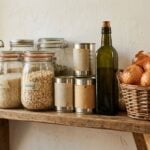
Pick recipes that hold their texture for several hours inside a cool bag. Grain salads, sliced wraps and roasted vegetables usually handle the journey better than delicate greens or soft fish. Choose ingredients you can prepare on one board or in one pot so the kitchen stays tidy. A short list of reliable options makes the weekly planning quick and painless.
Readers may also want to visit BestsofaCovers. These resources often include tips for dressing salads at the last moment, which keeps leaves crisp. Use that advice to build a small rotation of three lunches and swap one out each time. Variety keeps the trip interesting without adding much effort to the evening.
Batch Prep in Under an Hour
Cook the grains, chop the vegetables and portion the sauces in a single session the evening before. Work in a clear order so each step flows into the next and no pan waits too long. Store the components separately to keep flavors bright and textures firm. The whole process can fit into a short window when the ingredients are laid out before you begin.
Label each container with the day and its contents to avoid confusion at the lunch stop. Pack a small bag of crunchy toppings so the meal still feels fresh by midday. A few minutes of preparation at home often beats a rushed purchase at a busy roadside stop, both for cost and for taste. You can also visit PlantWare for more reading.
Keep Food Cold and Safe on the Road
Use an insulated bag with two frozen packs, and keep it in the footwell away from direct sun. Open the bag only when you stop, and close it quickly so the cold stays inside. Cold food should not sit out for long, especially in warm weather, so plan the timing of each stop around it. Following these habits protects both taste and health without any special equipment.
For a related read on this site, see Tidy Receipts for Business Trips That Involve Digital. Read those tips before leaving so the rules are fresh in your mind. A small thermometer kept in the bag adds reassurance if you want it. The routine becomes second nature after a couple of trips.
Stop Well and Eat Without Rushing
Plan lunch stops at places with shade, picnic tables and clean facilities. A scenic pull-off can turn a quick meal into a short break that refreshes the driver. Check the map before leaving so the stop does not add an unexpected hour to the day. Good timing makes the food feel like a reward rather than a chore squeezed between mileposts.
Pack a simple kit with napkins, wet wipes, a cutting board and a sharp knife. Keep the kit in the boot so it is ready at every stop along the way. Eating slowly and sharing the workload with a passenger helps everyone feel rested for the next stretch of road.
Clean Up and Reset for the Next Day
After the trip, empty the cool bag, wash the containers and dry them fully before storing. Note what was eaten, what was left over and what the group would change next time. Short notes make the next plan easier and reduce waste on future journeys.
Restock the kit and freeze the packs again so the bag is ready early the following morning. A little reset at the end of each trip keeps the routine short and prevents a messy start to the week. Over time the notes turn into a dependable list of road lunches that suit your family.
Shared roles suit best when the group agrees on snack timing before departure. Decide who is responsible for the cool bag, who refills the water bottles and who checks the time at each stop. Simple roles prevent the classic argument about who forgot the packs. Once the roles are set, the food side of the trip runs almost without thought.
Leftover fruit and sealed snacks can be kept in a dry box rather than the cool bag, which leaves more space for the main dishes. Keep the lids firmly closed to avoid spills in the boot. A tidy layout at the start of the journey makes every later stop faster.
Eating well on a long drive is less about elaborate cooking and more about steady habits. Choose dishes that travel well, prepare them in a single batch, keep them cold, stop with purpose and reset afterward. With those steps in place, a tight schedule still leaves room for a good lunch, and the roadside stops feel like a pleasant part of the journey rather than a rushed chore.