





Eating abroad is one of the richest parts of traveling, yet it also raises practical questions. A street stall can be inexpensive and full of local character, while a sit-down restaurant offers comfort and a calmer pace. Some travelers rent a kitchen so they can cook familiar meals. Each option brings gains and costs, and the best mix usually changes from one trip to the next.
Food choices shape your budget, your energy and your sense of the place. Too much restaurant dining can drain a wallet, while cooking every night may keep you from exploring. Thinking about the trade-offs in advance makes it easier to enjoy each meal. The four sections below cover common decisions that most travelers face sooner or later.
Street Stalls Versus Sit-Down Restaurants
Street stalls often serve food that has been prepared the same way for years, and they show you how people eat on ordinary days. Prices are usually low, portions are generous and you can watch the cooking happen. The trade-off is that hygiene standards vary, and language barriers can make ordering confusing. Restaurants offer more predictable service and clearer menus, though they usually cost more and fill up at peak hours. Readers may also want to visit Build Green Atlantic.
A reasonable plan blends both. Try a stall early in the trip to learn the local ordering habits, then book a restaurant for a special evening when you want to relax. Carry a few small notes with you, such as allergies or dietary needs, written in the local language. Clear communication makes both options far more pleasant.
Rented Kitchens and Grocery Runs
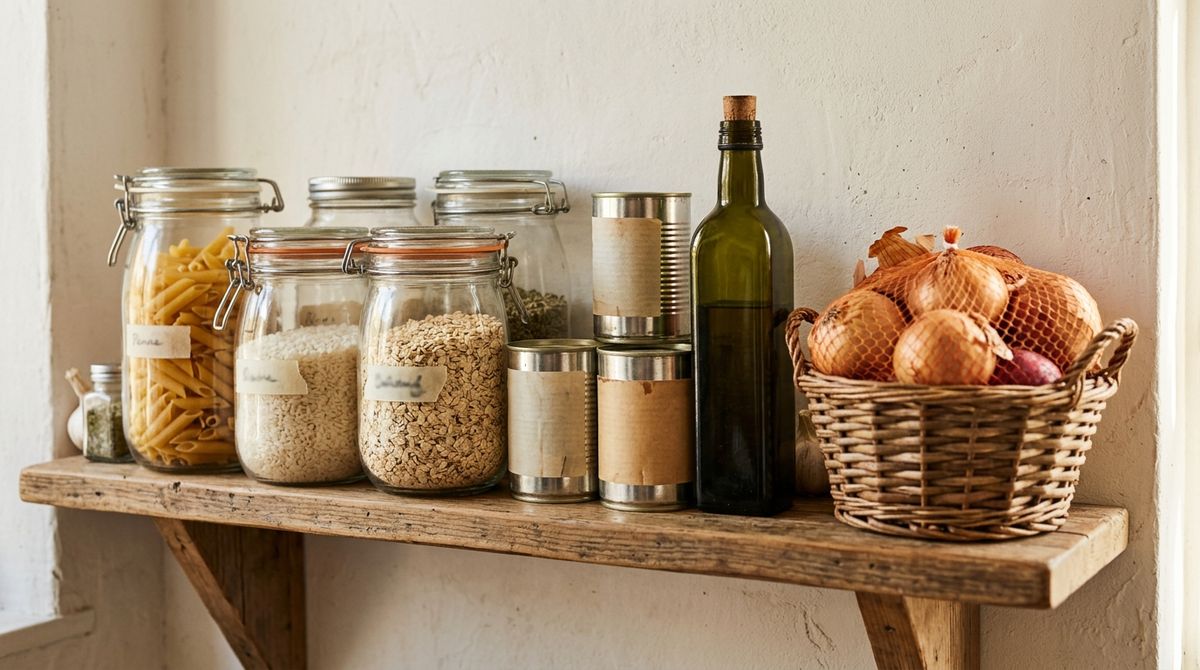
A rented apartment kitchen lets you cook breakfast, prepare lunches for day trips and save money on most evenings. Shopping at local markets also gives you a close look at produce and ingredients. The cost is time: planning meals, buying supplies and washing dishes can take hours that might otherwise go to sightseeing. Stocking a kitchen is also a commitment, because unused spices and half-finished bottles are hard to carry onward. You can also visit newdiscountfurniture.com for more reading.
Start small. Buy only what you will use within two or three days, and choose one or two dishes to cook each week. Leave a few evenings free so you can enjoy a meal outside. This balance keeps the kitchen useful without turning your holiday into household chores.
Food Tours, Guided Meals and Set Menus
Guided food tours introduce you to many dishes in one outing and often explain the history behind them. They save decision-making effort, which helps newcomers feel confident. The downside is a fixed pace, limited choice and sometimes a crowd that moves too quickly for conversation. Set menus at local restaurants are more affordable than they sound, yet they reduce flexibility if you dislike a course. For a related read on this site, see Cash or Digital Coin Sales Abroad: Trade-Offs for.
Choose tours that publish clear routes and reviews from recent travelers. Ask whether tastings include vegetarian or other options before booking. A tour works best when it fills the gaps your own exploration leaves, rather than replacing it entirely.
Allergies and dietary needs deserve the same planning as any other part of your trip. Learn how to describe ingredients clearly in the local language, and carry a short card that lists what you must avoid. Ask restaurant staff how dishes are prepared, and do not hesitate to choose a simpler option when you are unsure. A careful approach keeps you safe and lets you enjoy the meal rather than worrying about it. Preparing these details in advance also saves time at the table.
Building a Balanced Food Routine
Think about your food plan the way you think about sightseeing. Mix bold adventures with comforting staples, and rest on days when your appetite or budget needs a break. Notice which meals made you happy, and repeat those patterns on the next trip. Small adjustments often make a bigger difference than a rigid itinerary.
Weather and daily timing shape food choices more than many travelers expect. A hot afternoon may call for a light lunch and an early dinner, while a cold evening may make a hearty soup more appealing. Local opening hours can also limit when you can eat, so check them before a long day of walking. Building meals around the rhythm of the place helps you avoid rushed choices and missed opportunities. Plan one flexible backup option for each day, in case a favorite spot is closed.
Think also about the people who share your table. Travel companions with different appetites or budgets can make a shared meal feel rushed or unfair. Agree on a simple plan before you sit down, such as splitting one dish or ordering a sampler for everyone.
Eating abroad rewards curiosity, patience and a willingness to adapt. Each choice gives you something and asks you to give up something else. Keep your priorities clear, learn a few polite phrases and be ready to change course when a stall sells out. The best meals often happen by accident, and a flexible plan leaves room for them.